
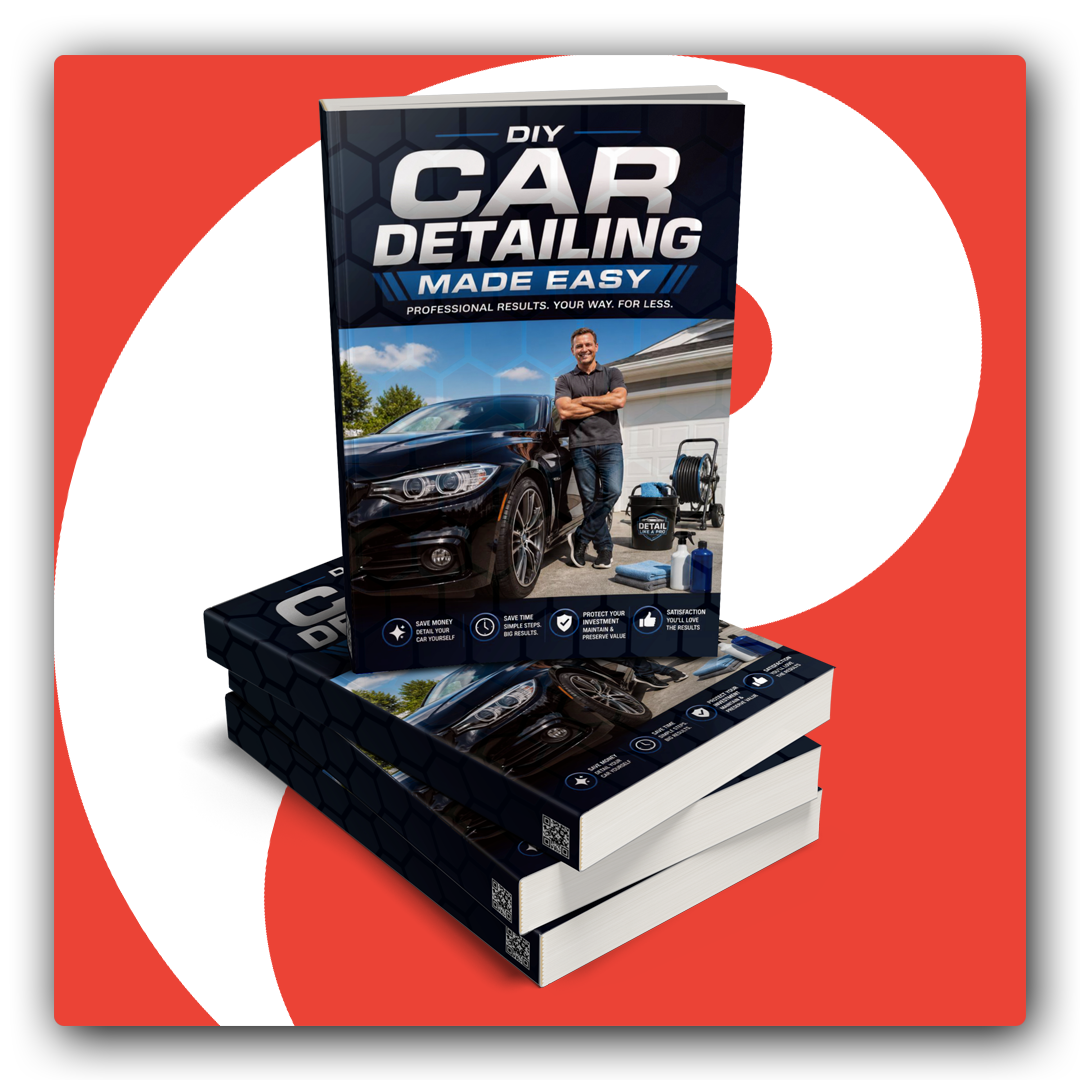
🚘 DIY Car Detailing Made Easy PLR eBook is a practical, beginner-friendly guide covering safe washing, wheels, drying, paint decontamination, polishing, protection, glass, trim, upholstery, interior care, odors, engine-bay cleaning, maintenance, and troubleshooting. With 20 detailed chapters, useful checklists, a 30-day action plan, and Private Label Rights included, you can edit, rebrand, publish, sell, bundle, or repurpose the content for automotive, car-care, detailing, and DIY audiences.
DIY Car Detailing Made Easy PLR Ebook – 51K Words
Original price was: $27.00.$9.99Current price is: $9.99.
50 in stock
Sale!

Full Description
🚘 DIY Car Detailing Made Easy PLR eBook
Help Beginners Clean, Restore, Protect, and Maintain Their Vehicles—and Turn the Content Into a Digital Product You Can Edit, Rebrand, Publish, and Sell
20 comprehensive chapters • Exterior and interior detailing • Beginner-friendly techniques • Troubleshooting guidance • Practical checklists • Private Label Rights included
Turn Car-Detailing Confusion Into a Clear, Repeatable System
Car detailing can quickly become overwhelming for a beginner.
There are hundreds of:
✅ Shampoos and pre-wash products
✅ Wheel and tire cleaners
✅ Towels, mitts, brushes, and applicators
✅ Clay bars and chemical decontamination products
✅ Polishes, compounds, pads, and machines
✅ Waxes, sealants, sprays, and ceramic products
✅ Interior cleaners and fabric treatments
✅ Glass, trim, leather, and plastic products
✅ Conflicting techniques and product recommendations
Beginners may buy too many products before understanding what each one does.
They may also:
❌ Use aggressive chemicals on delicate materials
❌ Wash a vehicle in a way that creates new scratches
❌ Mix towels and brushes between dirty and sensitive areas
❌ Over-wet carpets, seats, or headliners
❌ Polish paint before identifying the defect
❌ Remove unnecessary clear coat
❌ Apply protection over contaminated surfaces
❌ Assume a ceramic product makes maintenance unnecessary
❌ Use high-pressure water around sensitive components
❌ Chase every imperfection beyond a safe or realistic limit
DIY Car Detailing Made Easy gives readers a better approach.
This comprehensive PLR eBook organizes car detailing into a logical system that teaches readers how to inspect surfaces, choose suitable tools and products, begin with the least aggressive method, work in the correct order, troubleshoot common problems, protect completed work, and create a realistic maintenance routine.
As the PLR buyer, you can edit the manuscript, apply your branding, publish it under your name or business, sell the customized eBook, offer it as a lead magnet, include it in a membership or course, or repurpose it into an entire collection of automotive content according to the included license.
✨ Create a Valuable Car-Care Product Without Writing It From Scratch
Developing a complete beginner detailing guide requires much more than creating a list of recommended products.
A useful resource must explain:
✅ The difference between washing, cleaning, correcting, protecting, and maintaining
✅ How to identify different automotive materials
✅ Why one cleaner should not be used on every surface
✅ How tools and towels can spread contamination
✅ Why the wash process affects paint condition
✅ How to dry a vehicle without adding defects
✅ When bonded contamination needs additional treatment
✅ How to identify swirls, scratches, oxidation, and water spots
✅ Why paint correction should begin conservatively
✅ How waxes, sealants, and coatings differ
✅ How to clean glass, trim, wheels, tires, and exterior plastics
✅ How to control moisture inside the vehicle
✅ Why stain and odor removal should begin with diagnosis
✅ How to approach an engine bay cautiously
✅ How to build a repeatable maintenance routine
✅ When professional help may be safer or more cost-effective
With DIY Car Detailing Made Easy PLR eBook, the educational foundation has already been developed.
Instead of beginning with an empty document, you can focus on branding, design, original photographs, product recommendations, regional information, affiliate links, printable checklists, bonus products, and promotion.
🎯 What Readers Will Learn
Inside this practical guide, readers will discover how to:
✅ Understand what professional-style detailing involves
✅ Separate cleaning from paint correction and protection
✅ Build an organized detailing workspace
✅ Prepare for weather, shade, drainage, and product safety
✅ Choose useful tools without buying everything available
✅ Organize towels and brushes by task
✅ Reduce cross-contamination
✅ Identify paint, glass, rubber, plastic, fabric, leather, vinyl, and metal surfaces
✅ Read product labels and dilution instructions
✅ Perform a safer pre-wash
✅ Wash a vehicle with less risk of creating new marring
✅ Clean wheels, tires, and wheel wells
✅ Dry paint, trim, mirrors, and crevices more carefully
✅ Remove bonded contamination
✅ Inspect paint under suitable lighting
✅ Recognize common paint defects
✅ Understand the limits of hand polishing
✅ Learn basic machine-polishing principles
✅ Choose a least-aggressive correction method
✅ Compare waxes, sealants, and ceramic-style protection
✅ Clean exterior glass without heavy streaking
✅ Restore the appearance of exterior trim
✅ Vacuum and clean the interior systematically
✅ Clean fabric and carpets with controlled moisture
✅ Care for leather, vinyl, plastics, and screens
✅ Approach stains and odors diagnostically
✅ Clean an engine bay with greater caution
✅ Create weekly, monthly, and seasonal maintenance routines
✅ Troubleshoot common detailing problems
✅ Build a personalized full-vehicle detailing workflow
🔍 Inspect Before You Clean
One of the most important principles in the eBook is simple:
Identify the material and condition before choosing a product or process.
A vehicle is not one uniform surface.
It may contain:
✅ Clear-coated paint
✅ Matte or satin finishes
✅ Wrapped or protected panels
✅ Glass
✅ Chrome or polished metal
✅ Painted wheels
✅ Bare or coated plastics
✅ Rubber seals
✅ Fabric
✅ Carpet
✅ Synthetic leather
✅ Coated automotive leather
✅ Piano-black trim
✅ Touchscreens and instrument displays
A cleaner that performs well on one surface may stain, haze, dry, swell, soften, or damage another.
Readers learn to:
✅ Read labels
✅ Confirm product compatibility
✅ Test unfamiliar products in a hidden area
✅ Use the correct dilution
✅ Begin with the gentlest practical method
✅ Avoid allowing products to dry unexpectedly
✅ Stop when the surface reacts poorly
This approach reduces unnecessary damage and encourages more thoughtful decision-making.
🧼 A Better Wash Begins Before Physical Contact
Loose dirt and abrasive contamination can create scratches when dragged across paint.
The guide explains why a safer wash process may involve:
✅ Working on a cool surface
✅ Avoiding direct sunlight where possible
✅ Rinsing loose dirt first
✅ Applying a suitable pre-wash where appropriate
✅ Cleaning wheels with dedicated tools
✅ Using clean wash media
✅ Maintaining adequate lubrication
✅ Working in manageable sections
✅ Cleaning from less contaminated areas toward dirtier areas
✅ Rinsing tools regularly
✅ Avoiding unnecessary pressure
✅ Drying with clean, paint-safe materials
No wash method can guarantee scratch-free results, but better preparation and cleaner tools can reduce avoidable damage.
🧽 Keep Tools Organized by Task
Cross-contamination is one of the easiest ways to damage a vehicle.
A towel used on dirty wheels should not later be used on paint, glass, screens, or interior trim.
Readers are encouraged to separate tools for:
✅ Paint washing
✅ Paint drying
✅ Wheels
✅ Tires
✅ Door jambs
✅ Glass
✅ Interior plastics
✅ Leather or upholstery
✅ Carpets and floor mats
✅ Engine-bay work
✅ Polishing and protection
Color coding, labeling, and separate storage can make the system easier to maintain.
A clean product applied with a contaminated towel can still create poor results.
✨ Paint Correction Should Preserve Paint
Polishing can improve gloss and reduce the appearance of certain defects, but it may also remove a small amount of paint or clear coat.
The guide introduces readers to:
✅ Paint inspection
✅ Defect identification
✅ Test spots
✅ Hand polishing
✅ Machine-polishing basics
✅ Pad and polish combinations
✅ Working time
✅ Residue removal
✅ Lighting and inspection
✅ Least-aggressive-first decision-making
Readers are reminded that not every scratch can or should be removed.
Some defects may be:
❌ Too deep
❌ Through the clear coat
❌ Associated with failing paint
❌ Located on sharp body lines
❌ Unsuitable for beginner correction
❌ Better addressed by a professional
The goal is not to remove the maximum amount of paint.
The goal is to achieve a worthwhile improvement while preserving the surface.
🛡️ Protection Supports Maintenance—It Does Not Make a Vehicle Invincible
Waxes, sealants, and ceramic-style products may improve:
✅ Gloss
✅ Water behavior
✅ Ease of cleaning
✅ Resistance to certain environmental contamination
✅ Short-term appearance
However, they do not make paint immune to:
❌ Scratches
❌ Stone chips
❌ Bird droppings
❌ Water spots
❌ Chemical damage
❌ Poor washing techniques
❌ Neglect
❌ Automatic car-wash brushes
The eBook explains why preparation, compatibility, application, curing, and ongoing maintenance matter more than marketing terms alone.
🏷️ Private Label Rights Included
This is a complete PLR eBook, allowing you to transform professionally structured car-detailing content into a customized digital product.
Subject to the included license, you can:
✅ Edit or rewrite the content
✅ Add your name or pen name
✅ Add your automotive brand or business
✅ Insert your logo and contact information
✅ Change the title and subtitle
✅ Design a completely new cover
✅ Apply your preferred colors, fonts, and layout
✅ Rearrange, remove, shorten, or expand chapters
✅ Add original detailing photographs
✅ Include your preferred tools and products
✅ Add current product comparisons
✅ Create branded inspection sheets
✅ Develop maintenance planners
✅ Include local environmental guidance
✅ Add links to your products or services
✅ Include appropriately disclosed affiliate links
✅ Publish and sell the customized eBook
✅ Use it as a premium lead magnet
✅ Add it to a membership website
✅ Include it as a course or workshop bonus
✅ Turn chapters into automotive articles
✅ Create newsletters and email lessons
✅ Produce videos, podcasts, or presentations
✅ Develop worksheets and checklists
✅ Build educational social-media content
✅ Bundle it with related automotive products
The customized finished product may be sold according to the terms of the included license.
The underlying Private Label Rights may not automatically be transferred, resold, or passed to customers unless a separate reseller or transferable-rights license expressly permits that use.
📖 Inside the 20-Chapter Guide
Chapter 1: What Car Detailing Really Is
Explains the difference between basic cleaning, detailing, decontamination, correction, protection, restoration, and routine maintenance.
Chapter 2: Building a Safer Detailing Workspace
Covers shade, temperature, lighting, ventilation, water access, drainage, electrical safety, organization, protective equipment, and product storage.
Chapter 3: Tools, Towels, Brushes, and Equipment
Introduces essential tools, useful upgrades, towel types, wash media, brushes, vacuums, pressure washers, extractors, polishers, and storage systems.
Chapter 4: Understanding Automotive Surfaces
Helps readers identify paint, glass, plastic, rubber, leather, fabric, metal, wraps, displays, and other surfaces before choosing a cleaner or technique.
Chapter 5: Pre-Washing and Contact Washing
Explains loose-contamination removal, rinsing, pre-wash products, lubrication, wash techniques, tool cleanliness, section management, and avoiding unnecessary pressure.
Chapter 6: Wheels, Tires, and Wheel Wells
Covers wheel finishes, brake dust, tire browning, dedicated tools, chemical compatibility, agitation, rinsing, dressing, and wheel-well cleaning.
Chapter 7: Drying Without Adding New Defects
Introduces drying towels, forced air, drying aids, crevices, mirrors, trim, water drips, towel maintenance, and reducing unnecessary contact.
Chapter 8: Removing Bonded Contamination
Explains iron contamination, tar, sap, overspray, mineral deposits, clay products, chemical decontamination, lubrication, and post-treatment inspection.
Chapter 9: Inspecting Paint and Identifying Defects
Covers swirls, scratches, oxidation, haze, etching, water spots, chips, clear-coat failure, lighting, surface cleanliness, and realistic correction limits.
Chapter 10: Hand and Machine Polishing
Introduces compounds, polishes, pads, test spots, working sections, machine movement, residue removal, temperature awareness, and least-aggressive-first correction.
Chapter 11: Waxes, Sealants, and Ceramic Protection
Compares common protection categories and explains preparation, application, curing, maintenance, expectations, and compatibility.
Chapter 12: Glass, Trim, Chrome, and Exterior Plastics
Covers streak-free glass cleaning, water spotting, exterior trim, rubber seals, metal finishes, plastic restoration, and avoiding unsuitable abrasive techniques.
Chapter 13: Interior Vacuuming and Top-Down Cleaning
Explains debris removal, compressed air considerations, seat movement, storage compartments, vents, crevices, floor mats, and an efficient cleaning sequence.
Chapter 14: Fabric, Carpet, and Upholstery
Covers dry soil removal, spot testing, controlled moisture, agitation, extraction, drying, repeat stains, mold concerns, and the risks of over-wetting.
Chapter 15: Leather, Vinyl, Plastics, and Screens
Introduces modern coated leather, safe cleaning, sheen control, dashboards, door panels, piano-black surfaces, instrument displays, and touchscreens.
Chapter 16: Stain and Odor Diagnosis
Explains why stains and odors should be traced to their source before products, fragrances, steam, or aggressive chemicals are used.
Chapter 17: Engine-Bay and Sensitive-Area Detailing
Covers inspection, cooling, loose debris, moisture control, electrical components, air intakes, labels, delicate finishes, drying, and professional-help limits.
Chapter 18: Building a Maintenance Routine
Helps readers create realistic weekly, monthly, seasonal, and condition-based cleaning schedules that reduce the need for aggressive correction.
Chapter 19: Troubleshooting Detailing Problems
Addresses streaking, smearing, haze, product residue, water spots, polish dust, tire browning, reappearing stains, odors, towel drag, and uneven protection.
Chapter 20: Creating a Full-Vehicle Detailing System
Brings inspection, preparation, cleaning, decontamination, correction, protection, interior care, quality control, documentation, and maintenance into one adaptable workflow.
📋 Supporting Resources Included
The main eBook contains practical resources designed to help readers plan, perform, and evaluate their detailing work.
These include:
✅ Detailed table of contents
✅ Educational and safety disclaimer
✅ Plain-language detailing glossary
✅ Beginner tips throughout every chapter
✅ Practical detailing scenarios
✅ Important warning callouts
✅ Common mistakes to avoid
✅ Best-practice guidance
✅ Chapter summaries
✅ Action checklists
✅ Detailing-workspace checklist
✅ Essential-tool planner
✅ Towel and brush organization guide
✅ Surface-identification worksheet
✅ Pre-wash and washing checklist
✅ Wheel and tire cleaning guide
✅ Safe-drying checklist
✅ Paint-decontamination planner
✅ Paint-defect reference sheet
✅ Test-spot worksheet
✅ Polishing preparation checklist
✅ Protection-product planner
✅ Interior-cleaning sequence
✅ Fabric and carpet checklist
✅ Stain and odor investigation sheet
✅ Engine-bay risk assessment
✅ Maintenance schedule
✅ Full-vehicle detailing workflow
✅ Frequently asked questions
✅ Complete 30-day detailing action plan
🌟 Why This PLR eBook Is Different
Many detailing resources focus on expensive products, dramatic before-and-after photographs, or complicated professional methods.
DIY Car Detailing Made Easy takes a more practical approach.
The content emphasizes:
✅ Surface identification
✅ Least-aggressive-first cleaning
✅ Product-label discipline
✅ Test spots
✅ Clean and dedicated tools
✅ Realistic correction limits
✅ Paint preservation
✅ Controlled interior moisture
✅ Environmental awareness
✅ Repeatable maintenance
✅ Knowing when to stop
The guide does not:
❌ Promise perfect results
❌ Claim that one cleaner is safe for every surface
❌ Encourage aggressive polishing of every scratch
❌ Treat coatings as permanent protection
❌ Recommend soaking sensitive interior materials
❌ Suggest using unknown chemicals without testing
❌ Encourage uncontrolled engine-bay pressure washing
❌ Claim that odor sprays remove every odor source
❌ Present professional equipment as essential for beginners
❌ Promise that detailing automatically increases resale value
Instead, readers receive a flexible decision-making system they can adapt to different vehicles, materials, budgets, tools, and experience levels.
👥 Who Is the Reader Version For?
The customized reader edition may appeal to:
✅ First-time vehicle owners
✅ Complete detailing beginners
✅ Do-it-yourself car-care enthusiasts
✅ Used-car buyers
✅ Students and younger drivers
✅ Weekend hobbyists
✅ Families maintaining multiple vehicles
✅ People preparing a vehicle for sale
✅ Automotive-content audiences
✅ Car-club members
✅ Drivers reducing professional-detailing expenses
✅ Anyone wanting a cleaner, better-maintained vehicle
💻 Who Is This PLR Product For?
This PLR eBook is ideal for:
✅ PLR store owners
✅ Digital-product sellers
✅ Automotive bloggers
✅ Vehicle accessory websites
✅ Car-care product retailers
✅ Detailing businesses
✅ Automotive educators
✅ Course creators
✅ Membership-site owners
✅ Workshop facilitators
✅ Car clubs
✅ Used-car businesses
✅ Affiliate marketers
✅ Newsletter publishers
✅ Automotive-content creators
🔄 Turn One PLR eBook Into Multiple Products
The content can be repurposed into:
✅ A branded beginner car-detailing eBook
✅ A 20-part automotive blog series
✅ A safe-washing checklist
✅ A beginner detailing workbook
✅ A vehicle-inspection sheet
✅ A product-kit planner
✅ A paint-defect reference guide
✅ A polishing preparation checklist
✅ An interior-material quick guide
✅ A stain and odor worksheet
✅ A detailing maintenance calendar
✅ A 30-day car-care challenge
✅ A car-sale preparation guide
✅ An email mini-course
✅ A detailing-mistakes social-media series
✅ Workshop presentation materials
✅ Video or podcast lesson scripts
✅ A membership content library
✅ A car-care digital-product bundle
One comprehensive PLR eBook can provide months of useful content for your digital store, automotive website, mailing list, course, membership, detailing business, or car-care brand.
✨ Customize It for Your Automotive Brand
You are not limited to publishing the eBook exactly as supplied.
You can make the customized product more distinctive by:
✅ Choosing a new title and subtitle
✅ Designing a fresh cover
✅ Adding your logo and brand colors
✅ Including original detailing photographs
✅ Adding your preferred tools and products
✅ Creating branded inspection sheets
✅ Developing printable maintenance planners
✅ Including regional supplier information
✅ Adding local runoff and water-use guidance
✅ Linking to detailing services
✅ Including appropriately disclosed affiliate links
✅ Creating editions for different vehicle types
Potential customized editions could include:
✅ Car Detailing for Complete Beginners
✅ The DIY Vehicle Detailing Handbook
✅ Clean and Protect Your Car at Home
✅ The Beginner’s Car-Care System
✅ Weekend Car Detailing Made Simple
✅ From Basic Wash to Full Detail
✅ The 30-Day Car Detailing Plan
✅ Professional-Looking Car Care at Home
Thoughtful customization can make the product more relevant, recognizable, and valuable to a specific audience.
💰 Commercial Uses
Subject to the included PLR license, the customized product may be used to:
✅ Sell as a standalone digital eBook
✅ Grow an automotive mailing list
✅ Support a beginner detailing course
✅ Add value to a paid membership
✅ Promote car-care tools and products
✅ Support appropriate affiliate marketing
✅ Generate leads for a detailing business
✅ Bundle with vehicle-maintenance planners
✅ Include with car-care product kits
✅ Use as workshop material
✅ Offer as a customer bonus
✅ Support used-car customer education
✅ Build a long-term automotive content campaign
❓ Frequently Asked Questions
Is this a PLR eBook?
Yes. The product includes Private Label Rights, allowing the licensed buyer to edit, customize, rebrand, publish, sell, and repurpose the finished content according to the included license.
Is it written for complete beginners?
Yes. Detailing terminology, products, tools, and processes are introduced in clear, accessible language.
Does it cover exterior and interior detailing?
Yes. The 20 chapters cover washing, wheels, drying, paint, polishing, protection, glass, trim, upholstery, interior materials, odors, engine-bay care, maintenance, and troubleshooting.
Can I change the title and cover?
Yes. You may rename the eBook, create a new cover, and apply your branding according to the license.
Can I add my name or business as the author?
Yes. You may add your name, pen name, business, logo, website, and contact information.
Can I sell the customized eBook?
Yes. You may sell the completed customized product subject to the included PLR license.
Can my customers receive PLR rights?
Not automatically. A separate reseller or transferable-rights license would be required.
Can chapters be reused separately?
Yes. Subject to the license, chapters may be adapted into articles, emails, videos, presentations, worksheets, checklists, and social content.
Can I add product recommendations?
Yes. You may add current product recommendations and appropriate affiliate links, provided compatibility and performance claims are accurate and disclosures are included.
Does the eBook guarantee professional results?
No. Results depend on the vehicle’s condition, materials, tools, products, environment, technique, experience, and maintenance.
Does it teach paint correction?
It introduces hand and machine-polishing principles, test spots, defect identification, and least-aggressive-first correction. It does not replace professional practical training.
Does it replace product instructions?
No. Readers should follow current manufacturer instructions, safety data, dilution guidance, and vehicle-specific information.
Can every scratch be polished out?
No. Some scratches are too deep or may require refinishing rather than further polishing.
Does it guarantee that a product is safe?
No. Product suitability should be verified for the specific surface, and unfamiliar combinations should be tested carefully.
📝 Simple Customization Workflow
Use this process to transform the manuscript into a finished car-detailing product:
✅ Review the included PLR license
✅ Define the intended audience
✅ Decide how the product will be sold or distributed
✅ Choose a new title and subtitle if needed
✅ Design a branded cover
✅ Add your author or business information
✅ Insert your logo, website, and contact details
✅ Add original detailing photographs
✅ Include current product recommendations
✅ Create branded worksheets and checklists
✅ Add market-specific suppliers and services
✅ Review product and vehicle safety statements
✅ Update environmental and local guidance
✅ Proofread and publish the customized product
📦 What You Receive
Your package includes:
✅ The complete DIY Car Detailing Made Easy PLR eBook
✅ 20 comprehensive chapters
✅ Beginner-friendly car-detailing education
✅ Workspace and tool guidance
✅ Automotive-surface identification
✅ Pre-wash and contact-washing techniques
✅ Wheel and tire cleaning guidance
✅ Safer drying methods
✅ Paint-decontamination information
✅ Paint-defect education
✅ Hand and machine-polishing fundamentals
✅ Wax, sealant, and coating guidance
✅ Glass, trim, and plastic care
✅ Interior vacuuming and cleaning
✅ Fabric and carpet guidance
✅ Leather, vinyl, plastic, and screen care
✅ Stain and odor troubleshooting
✅ Engine-bay safety guidance
✅ Maintenance routine planning
✅ Common-problem troubleshooting
✅ Full-vehicle detailing workflow
✅ Complete 30-day action plan
✅ Practical worksheets and checklists
✅ Frequently asked questions
✅ Detailing glossary
✅ Editable content
✅ Private Label Rights documentation
🚀 Build a Valuable Car-Detailing Product Without Starting From a Blank Page
Writing a complete beginner car-detailing guide could require weeks or months of research, planning, drafting, editing, organization, and resource creation.
With DIY Car Detailing Made Easy PLR eBook, you receive a substantial foundation that can be customized for your automotive brand and audience.
Use it to launch a digital product, grow your mailing list, promote detailing products, support a course, generate leads for a service business, strengthen a membership, or create months of useful automotive content.
Edit it.
Customize it.
Brand it.
Update it.
Publish it.
Sell it.
Repurpose it into an entire car-care content collection.
🛒 Get DIY Car Detailing Made Easy PLR eBook Today
Start with a professionally structured, beginner-friendly car-detailing resource and transform it into a customized digital product for vehicle owners, automotive hobbyists, used-car buyers, students, weekend detailers, and car-care audiences.
GET INSTANT ACCESS TODAY
⚠️ Important Automotive Detailing and Safety Disclaimer
This product is provided for general educational and informational purposes only.
Automotive detailing may involve chemicals, pressurized water, heated equipment, electrical tools, ladders or stools, slippery surfaces, sharp vehicle components, moving parts, batteries, sensitive electronics, and potentially hazardous contamination.
The eBook does not provide chemical, environmental, mechanical, electrical, medical, legal, insurance, regulatory, or individualized professional advice.
Readers should follow current product labels, safety data, equipment instructions, vehicle manuals, dilution guidance, ventilation requirements, protective-equipment recommendations, and local environmental rules.
Cleaning products, solvents, dressings, coatings, polishes, compounds, tools, steam, pressure washers, and extraction equipment may damage unsuitable surfaces when used incorrectly.
Paint thickness, clear-coat condition, previous repairs, wraps, coatings, interior materials, electrical components, sensors, cameras, and screens vary between vehicles.
Engine-bay cleaning can affect electrical systems, sensors, air intakes, labels, finishes, and other sensitive components. Professional assistance may be appropriate when the condition or system is uncertain.
Wastewater, detergents, oils, brake contamination, solvents, and other detailing runoff should be managed according to current local requirements.
PLR buyers are responsible for reviewing, fact-checking, updating, customizing, and localizing the content before publication.
No surface-safety, defect-removal, paint-correction, product-performance, resale-value, customer-satisfaction, business, marketing, ranking, sales, revenue, profit, or income outcome is promised or guaranteed.
🎁 Exclusive Bonuses Included!
When you grab this PLR eBook, you’ll also receive a ready-to-use sales page, a cheat sheet, and a high-quality promotional image—everything you need to sell it quickly and effortlessly!
🔥 LIMITED TIME OFFER! 🔥
Grab this complete PLR eBook for only $9.99— exclusively for the first 50 buyers! Don’t miss your chance to own this 20-chapter guide and claim full PLR rights at this unbeatable price.
License Details:
✅ You Can:
- Sell the product and keep 100% of the profits.
- Edit, rebrand, and modify the content.
- Break the content into smaller reports or guides.
- Bundle with other PLR products.
- Add to paid membership sites or courses.
- Convert into videos, audios, or PDFs.
- Use excerpts for blogs, emails, or free downloads.
❌ You Cannot:
- Pass on PLR, resale, or master resell rights to others.
- Give away the full package for free.
- Offer 100% affiliate commissions.
- Add to previously paid memberships without an extra fee.
PLEASE PAY ATTENTION TO THE LICENSE TERMS MENTIONED ABOVE
If you want to use the content in a way that is not specifically stated within the License, please ask if you can before you do so.
Related products
-
Sale!

Accounting Mastery From Fundamentals to Advanced Practices PLR Ebook – 14k Words
Original price was: $27.00.$9.99Current price is: $9.99. -
Sale!

Clear Skin Blueprint – The Ultimate Guide to Understanding and Treating Acne PLR Ebook – 15k Words
Original price was: $27.00.$9.99Current price is: $9.99. -
Sale!

Calm Within the Storm – Understanding and Overcoming Anxiety PLR Ebook – 12K Words
Original price was: $27.00.$9.99Current price is: $9.99.
Reviews