
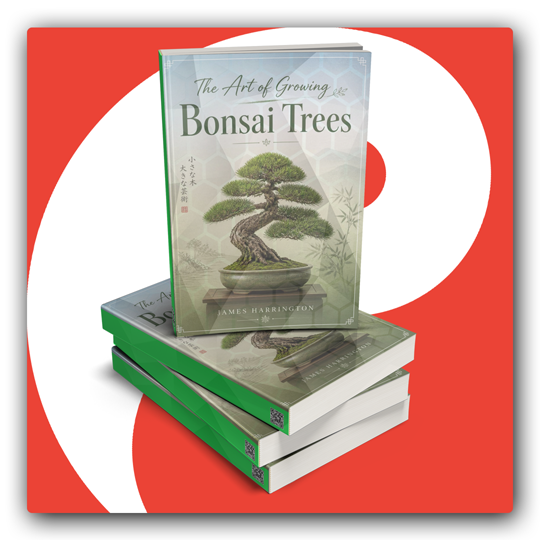
The Art of Growing Bonsai Trees PLR eBook is a comprehensive, beginner-friendly guide to bonsai care, watering, pruning, wiring, repotting, styling, seasonal maintenance, and healthy tree growth. With Private Label Rights, you can edit, rebrand, repurpose, and sell the customized eBook according to the included license terms.
The Art of Growing Bonsai Trees PLR Ebook – 56K Words
Original price was: $27.00.$9.99Current price is: $9.99.
50 in stock
Sale!
Full Description
🌳 The Art of Growing Bonsai Trees PLR eBook
Help Beginners Grow Healthier, More Beautiful Bonsai Trees Without Confusing Advice or Costly Mistakes
A Ready-Made 56,415-Word Bonsai Guide You Can Edit, Rebrand, Publish, Repurpose, and Sell as Your Own
🌱 EDIT IT. BRAND IT. PUBLISH IT. SELL IT.
Bonsai trees are admired around the world for their beauty, character, balance, and connection to nature.
But growing a healthy bonsai involves much more than keeping a small tree in an attractive pot.
Beginners need to understand:
✅ Species requirements
✅ Indoor and outdoor placement
✅ Light and temperature
✅ Watering
✅ Soil and drainage
✅ Feeding
✅ Pruning
✅ Wiring
✅ Repotting
✅ Root health
✅ Seasonal care
✅ Pest and disease warning signs
Without reliable guidance, new growers may follow overly simple advice such as:
❌ “Water it every few days.”
❌ “Keep every bonsai indoors.”
❌ “Trim it whenever it looks too big.”
❌ “Use ordinary potting soil.”
❌ “Repot it every year.”
These instructions ignore the fact that every tree has different needs based on its species, climate, season, health, pot, soil, and stage of development.
The Art of Growing Bonsai Trees replaces guesswork with a structured, beginner-friendly approach to bonsai care and design.
This comprehensive Private Label Rights eBook contains more than 56,415 words of professionally organized content, twenty detailed chapters, beginner checklists, practical worksheets, a glossary, frequently asked questions, and a structured 30-day action plan.
Instead of spending months researching, outlining, writing, editing, and formatting a complete bonsai guide, you receive a ready-made content foundation that can be customized for your brand and audience.
🤔 Bonsai Advice Is Often Too Vague for Beginners
Many people purchase their first bonsai because they are attracted to its appearance.
They may not know:
✅ Which species they own
✅ Whether the tree belongs indoors or outdoors
✅ How much sunlight it needs
✅ How to tell when the soil is becoming dry
✅ Why ordinary potting soil may hold too much water
✅ When fertilizer should be applied
✅ How much pruning the tree can tolerate
✅ When wiring may damage the bark
✅ How to recognize root problems
✅ Why a tree may lose leaves after being moved
✅ When repotting is safe
✅ How seasonal changes affect care
This uncertainty can lead to:
❌ Overwatering
❌ Underwatering
❌ Insufficient light
❌ Poor drainage
❌ Root damage
❌ Excessive pruning
❌ Wire scars
❌ Incorrect indoor placement
❌ Unnecessary repotting
❌ Pest or disease problems being ignored
The Art of Growing Bonsai Trees gives readers the knowledge needed to observe their trees, understand their needs, and make better care decisions.
📘 Introducing The Art of Growing Bonsai Trees
A Complete Beginner’s Guide to Bonsai Care, Shaping, Pruning, Watering, Repotting, and Long-Term Growth
This eBook treats bonsai as both:
🌳 A living tree that requires proper horticultural care
🎨 An artistic practice that develops through patience and observation
Readers are guided from the basic principles of bonsai through more advanced topics such as branch development, root work, styling, pest diagnosis, and collection management.
Inside, readers will learn how to:
✅ Understand what bonsai really is
✅ Choose suitable species
✅ Match trees to the local climate
✅ Understand indoor and outdoor bonsai requirements
✅ Create an appropriate growing environment
✅ Choose basic tools
✅ Understand pots, soil, drainage, and roots
✅ Water according to observation rather than a rigid schedule
✅ Manage light, temperature, humidity, and airflow
✅ Feed bonsai appropriately
✅ Prune for health and design
✅ Wire and shape branches more safely
✅ Repot and prune roots responsibly
✅ Understand common bonsai styles
✅ Follow seasonal care patterns
✅ Grow bonsai from several types of starting material
✅ Develop trunks and fine branches
✅ Recognize pests, diseases, and stress
✅ Avoid common beginner mistakes
✅ Build a sustainable long-term bonsai practice
🛡️ Tree Health Must Come Before Styling
One of the biggest mistakes beginners make is trying to perform too many techniques at once.
A newly purchased or stressed tree may be:
❌ Heavily pruned
❌ Wired
❌ Repotted
❌ Root-pruned
❌ Moved to a new environment
❌ Fertilized aggressively
All within a short period.
This can place unnecessary stress on the tree.
The Art of Growing Bonsai Trees teaches readers that styling should always be balanced with:
✅ Tree health
✅ Species needs
✅ Root condition
✅ Seasonal timing
✅ Available energy
✅ Recovery periods
✅ Local climate
Readers learn that a healthy tree can be shaped over time, while an unhealthy tree may need stability and recovery before artistic work begins.
🎯 What Readers Will Learn
Inside this comprehensive bonsai guide, readers will discover:
✅ What makes a tree a bonsai
✅ Why bonsai are not genetically miniature trees
✅ How bonsai differs from ordinary houseplant care
✅ Why species identification matters
✅ How climate affects species selection
✅ Why many temperate bonsai belong outdoors
✅ What tropical bonsai need indoors
✅ How windows, grow lights, and seasonal movement affect trees
✅ Which bonsai tools beginners actually need
✅ How to create a safer working area
✅ How pots influence moisture and root development
✅ Why drainage holes matter
✅ How bonsai substrates differ from ordinary potting soil
✅ How to inspect soil moisture
✅ Why fixed watering schedules often fail
✅ How to water the complete root system
✅ How sunlight affects growth and leaf size
✅ How temperature influences dormancy and recovery
✅ How humidity and airflow affect tree health
✅ How feeding supports growth
✅ Why fertilizer does not repair poor light or damaged roots
✅ How maintenance pruning differs from structural pruning
✅ How to remove unwanted growth gradually
✅ How to wire branches without unnecessary injury
✅ When wire should be removed
✅ Why wire marks can damage the appearance of a tree
✅ How to recognize when repotting may be necessary
✅ How root pruning affects the tree
✅ How to support recovery after repotting
✅ How traditional bonsai styles guide design
✅ Why style should suit the species and trunk
✅ How seasonal care changes throughout the year
✅ How seed, cuttings, nursery stock, and collected material compare
✅ How trunks develop thickness and taper
✅ How branches develop finer ramification
✅ How to identify common pests
✅ How to recognize signs of stress
✅ How to avoid treating the wrong problem
✅ How to evaluate bonsai before buying
✅ How to source plants responsibly
✅ How to manage a growing collection
✅ How to create care records and seasonal plans
💼 A High-Value PLR Product for Your Digital Business
Creating a complete bonsai eBook from scratch requires extensive horticultural research and careful organization.
You would need to:
❌ Explain bonsai fundamentals
❌ Research species requirements
❌ Cover indoor and outdoor care
❌ Explain tools and workspace safety
❌ Research soil, pots, drainage, and roots
❌ Explain watering and feeding
❌ Cover pruning and wiring
❌ Research repotting and seasonal timing
❌ Explain bonsai styles and design
❌ Cover propagation and development
❌ Include pests, diseases, and troubleshooting
❌ Create worksheets, FAQs, checklists, and a glossary
❌ Write more than 56,000 words
The Art of Growing Bonsai Trees PLR eBook gives you a substantial content foundation that has already been researched, organized, and written for beginners.
You can personalize it, add your branding, create a new cover, update examples, and transform it into your own digital product according to the supplied PLR license.
🛠️ With the Included PLR Rights, You Can:
✅ Add your name, pen name, business name, or brand
✅ Add your logo, website, and contact information
✅ Change the title and subtitle
✅ Design a completely new cover
✅ Edit, rewrite, shorten, or expand the content
✅ Rearrange, combine, or remove chapters
✅ Add your own bonsai examples and photographs
✅ Add regional climate and species information
✅ Include links to suitable products or services
✅ Publish and sell the customized finished eBook
✅ Use it as a lead magnet
✅ Offer it as a customer bonus
✅ Add it to a gardening membership
✅ Include it in an online course
✅ Turn chapters into blog articles
✅ Create an educational email series
✅ Develop printable worksheets and checklists
✅ Create a bonsai journal or planner
✅ Turn sections into video or podcast lessons
✅ Create workshops or presentations
✅ Repurpose tips into social media posts
✅ Bundle it with gardening, houseplant, mindfulness, or self-sufficiency products
The customized finished product may be sold according to the included license terms.
The underlying Private Label Rights may not be transferred or resold unless a separate reseller license specifically permits that use.
📚 Inside the Complete 20-Chapter Guide
🌳 Chapter 1: Bonsai as Living Art and Practical Horticulture
Understand what bonsai is, what it is not, and why healthy growth must come before styling.
🌍 Chapter 2: Choosing the Right Species
Select trees that match the local climate, available space, experience level, and care routine.
🏠 Chapter 3: Indoor and Outdoor Bonsai Environments
Provide suitable light, temperature, humidity, airflow, and seasonal conditions.
✂️ Chapter 4: Essential Bonsai Tools and Workspace
Build a practical beginner toolkit and organize a safer area for maintenance and styling.
🪴 Chapter 5: Pots, Soil, Drainage, and Root Health
Understand how containers and growing media affect water, oxygen, stability, and roots.
💧 Chapter 6: Watering Bonsai Correctly
Replace rigid schedules with observation-based watering suited to the tree and environment.
☀️ Chapter 7: Light, Temperature, Humidity, and Airflow
Learn how environmental conditions influence photosynthesis, growth, dormancy, and stress.
🌱 Chapter 8: Feeding and Seasonal Nutrition
Use fertilizer according to species, health, season, soil, and development goals.
✂️ Chapter 9: Pruning for Healthy Structure
Understand maintenance pruning, structural pruning, shoot control, and suitable timing.
🧵 Chapter 10: Wiring and Shaping Branches
Apply and monitor wire carefully while reducing unnecessary bark and branch damage.
🪴 Chapter 11: Repotting and Root Pruning
Recognize when repotting is needed and support the tree through root work and recovery.
🎨 Chapter 12: Bonsai Styles and Design Principles
Use traditional style names, balance, proportion, movement, and believable natural form.
📅 Chapter 13: Seasonal Bonsai Care
Build care routines around biological seasons rather than fixed calendar dates.
🌰 Chapter 14: Seeds, Cuttings, and Nursery Material
Compare different starting methods based on time, budget, experience, and goals.
🌿 Chapter 15: Developing Trunks and Fine Branches
Create taper, movement, branch structure, and refined ramification over time.
🐛 Chapter 16: Pests, Diseases, and Stress Diagnosis
Identify warning signs, investigate possible causes, and avoid making problems worse.
⚠️ Chapter 17: Common Beginner Mistakes
Correct poor watering, weak lighting, bad timing, excessive styling, and other common errors.
🖼️ Chapter 18: Display and Collection Management
Present bonsai attractively while managing space, care, records, and long-term development.
🛒 Chapter 19: Buying Bonsai and Ethical Sourcing
Evaluate health, structure, value, seller claims, and responsible plant sourcing.
🗓️ Chapter 20: Building a Long-Term Bonsai Practice
Create a sustainable learning system that improves skills and trees year after year.
🎁 More Than Twenty Chapters
This comprehensive PLR eBook also includes:
✅ A beginner-friendly introduction
✅ Chapter goals and summaries
✅ Practical examples
✅ Important warnings
✅ Action checklists
✅ Frequently asked bonsai questions
✅ A glossary of bonsai and horticultural terminology
✅ A structured 30-day beginner action plan
✅ Tree-care worksheets
✅ Repotting-planning worksheets
✅ Bonsai-purchase checklists
✅ Seasonal review sheets
✅ Sources and further-reading guidance
These resources help readers move from general interest to practical, organized bonsai care.
🌟 Why This PLR eBook Stands Out
👶 Written for Complete Beginners
The reader is not expected to understand botany, wiring, pruning, root work, or traditional bonsai terminology.
Important concepts are explained before advanced decisions are introduced.
🌱 Health Comes Before Styling
The guide repeatedly connects artistic work to:
✅ Roots
✅ Light
✅ Water
✅ Soil
✅ Timing
✅ Recovery
✅ Seasonal growth
Readers learn that a healthy tree is the foundation of every successful bonsai design.
🌍 Adaptable to Different Climates
The content does not present one universal care calendar.
Instead, readers learn to consider:
✅ Species
✅ Climate
✅ Local seasons
✅ Environmental conditions
✅ Biological signs
✅ Regional advice
⚖️ Responsible and Realistic
The guide does not promise instant mastery or a finished bonsai in a few weeks.
It presents bonsai as a patient, practical, and rewarding long-term craft.
♻️ Easy to Customize and Repurpose
The organized chapters and practical resources can be transformed into:
✅ Articles
✅ Email lessons
✅ Courses
✅ Videos
✅ Checklists
✅ Worksheets
✅ Seasonal planners
✅ Social media posts
✅ Membership content
👥 Who Is This PLR Product For?
The Art of Growing Bonsai Trees PLR eBook is ideal for:
✅ PLR store owners
✅ Digital-product creators
✅ Gardening bloggers
✅ Houseplant websites
✅ Bonsai clubs
✅ Hobby communities
✅ Online course creators
✅ Lifestyle publishers
✅ Mindfulness brands
✅ Home-and-garden membership sites
✅ Newsletter publishers
✅ Nurseries
✅ Plant-care educators
✅ Gardening affiliate marketers
✅ Homesteading publishers
✅ Creators building hobby or self-sufficiency bundles
🎓 Who Is the Reader Version For?
The customized reader edition is suitable for:
✅ Complete bonsai beginners
✅ People who have just purchased their first bonsai
✅ Houseplant enthusiasts exploring bonsai
✅ Gardeners interested in miniature trees
✅ Readers confused by indoor and outdoor requirements
✅ People struggling with watering or placement
✅ Beginners who want to learn pruning and wiring
✅ Hobbyists building a small bonsai collection
✅ People seeking a patient and mindful creative practice
✅ Anyone who wants a structured guide to long-term bonsai care
♻️ Turn One PLR eBook Into an Entire Product Collection
You can repurpose the content into:
✅ A branded bonsai eBook
✅ A 20-part bonsai article series
✅ A 30-day beginner email course
✅ A seasonal bonsai-care guide
✅ A watering checklist
✅ A repotting planner
✅ A printable bonsai journal
✅ A species-selection mini-guide
✅ A bonsai glossary lead magnet
✅ A pruning and wiring checklist
✅ A pest-identification guide
✅ Bonsai workshop handouts
✅ Beginner video lessons
✅ Social media tips
✅ A plant-care membership resource
✅ A gardening product bundle
✅ A companion workbook or planner
One comprehensive PLR eBook can become the foundation of an entire bonsai and gardening product collection.
⏳ Save Months of Research and Writing
With The Art of Growing Bonsai Trees PLR eBook, you receive:
✅ More than 56,415 words of organized content
✅ Twenty detailed chapters
✅ Bonsai fundamentals
✅ Species-selection guidance
✅ Indoor and outdoor care information
✅ Tool and workspace guidance
✅ Soil, drainage, and root education
✅ Watering and feeding strategies
✅ Pruning and wiring instruction
✅ Repotting and root-care guidance
✅ Bonsai style and design principles
✅ Seasonal-care planning
✅ Propagation and development information
✅ Pest and disease awareness
✅ Beginner mistake prevention
✅ Buying and ethical-sourcing guidance
✅ Frequently asked questions
✅ A bonsai glossary
✅ A structured 30-day action plan
✅ Editable worksheets and checklists
Your next steps are simple:
1️⃣ Review and update the content
2️⃣ Add your branding
3️⃣ Customize it for your audience and climate
4️⃣ Design a professional cover
5️⃣ Publish your finished product
6️⃣ Start promoting and selling it
❓ Frequently Asked Questions
What Does PLR Mean?
Private Label Rights allow you to edit, customize, rebrand, publish, and sell the finished content according to the supplied license terms.
Can I Change the Title and Author Name?
Yes. You may add your name, pen name, business name, or brand to the customized version.
Can I Create a New Cover?
Yes. You may redesign the cover, colors, fonts, layout, and overall branding.
Can I Edit or Remove Chapters?
Yes. You may rewrite, expand, shorten, combine, rearrange, or remove sections according to the included license.
Can I Sell the Customized eBook?
Yes. You may sell the finished reader product according to the supplied PLR license.
Can My Customers Resell the PLR Rights?
No, not automatically.
The underlying PLR rights may only be transferred when a separate reseller license specifically grants that permission.
Can I Use Chapters as Blog Posts?
Yes. The content can be adapted into articles, emails, lessons, videos, checklists, presentations, or other finished educational products.
Is the Guide Only About Indoor Bonsai?
No.
It explains why species identity and climate matter, including the outdoor needs of many temperate trees and the indoor requirements of tropical species.
Does the eBook Teach Advanced Techniques?
It introduces pruning, wiring, repotting, root work, styling, propagation, and long-term development while emphasizing safe timing and beginner limitations.
Can I Use It as a Lead Magnet?
Yes. You may use the customized eBook or selected sections as a lead magnet according to the included license.
Does It Include Practical Resources?
Yes. It includes checklists, a glossary, a 30-day plan, planning worksheets, practical examples, warnings, and review prompts.
Should I Update the Content?
Yes.
Climate conditions, plant-care guidance, pesticides, fertilizers, species regulations, and local laws may change or vary by location.
PLR users should review, verify, localize, and update the content before publication.
🚀 Build Your Own Branded Bonsai Product Today
Bonsai attracts people interested in:
🌳 Gardening
🌿 Houseplants
🧘 Mindfulness
🎨 Creative hobbies
🏡 Home decoration
🌱 Nature
📚 Traditional arts
But beginners need more than attractive photographs and simple care slogans.
They need a structured guide that explains how species, climate, light, soil, water, roots, seasons, and styling work together.
The Art of Growing Bonsai Trees PLR eBook gives you the content foundation needed to serve this audience without writing more than 56,000 words from scratch.
🔥 Get The Art of Growing Bonsai Trees PLR eBook Today
Your PLR package includes:
✅ More than 56,415 words of beginner-friendly content
✅ Twenty comprehensive chapters
✅ Bonsai species and environment guidance
✅ Indoor and outdoor care education
✅ Tool and workspace information
✅ Pot, soil, drainage, and root guidance
✅ Watering and feeding strategies
✅ Pruning and wiring instruction
✅ Repotting and root-management guidance
✅ Bonsai design principles
✅ Seasonal care planning
✅ Propagation and tree-development information
✅ Pest, disease, and stress awareness
✅ Frequently asked questions
✅ A glossary of bonsai terms
✅ A structured 30-day action plan
✅ Practical worksheets and checklists
✅ Editable and customizable content
✅ Private Label Rights subject to the included license
🌳 Stop Starting From Scratch
Get The Art of Growing Bonsai Trees PLR eBook Today
✏️ EDIT IT.
🎨 BRAND IT.
📘 PUBLISH IT.
💰 SELL IT.
♻️ REPURPOSE IT.
Turn the timeless art of bonsai into a professional, evergreen digital product that helps beginners grow healthier trees with greater confidence and patience.
⚠️ Important Disclaimer
This product is provided for general educational and informational purposes only.
It does not replace species-specific advice from qualified local horticultural professionals, bonsai instructors, nurseries, arborists, or plant-health specialists.
Tree care requirements vary according to species, climate, season, location, soil, health, and growing environment.
Pesticide, fertilizer, plant-collection, protected-species, and import rules may differ by region and change over time.
PLR buyers are responsible for reviewing, verifying, updating, localizing, editing, and customizing the content before publication, distribution, or sale.
All usage permissions are subject to the specific terms and restrictions contained in the supplied Private Label Rights license.
🎁 Exclusive Bonuses Included!
When you grab this PLR eBook, you’ll also receive a ready-to-use sales page, a cheat sheet, and a high-quality promotional image—everything you need to sell it quickly and effortlessly!
🔥 LIMITED TIME OFFER! 🔥
Grab this complete PLR eBook for only $9.99— exclusively for the first 50 buyers! Don’t miss your chance to own this 20-chapter guide and claim full PLR rights at this unbeatable price.
License Details:
 You Can:
- Sell the product and retain 100% of the profits.
- Edit, customize, rebrand, and modify the content to suit your business.
- Divide the content into smaller reports, guides, or digital products.
- Bundle the product with other PLR products or resources.
- Include the product in a paid monthly membership site.
- Repurpose the content into videos, audio content, PDFs, or other formats.
- Use excerpts from the content in blog posts, emails, lead magnets, or free downloads.
- Transfer PLR, Resale Rights, or Master Resell Rights to others, where permitted by the applicable license.
 You Cannot:
- Sell the product for less than the minimum advertised price of $9.99.
- Give the product away for free.
- Offer 100% affiliate commissions on the product.
- Include the product in an existing paid membership that was established before your purchase without paying the applicable additional licensing fee.
PLEASE PAY ATTENTION TO THE LICENSE TERMS MENTIONED ABOVE
If you want to use the content in a way that is not specifically stated within the License, please ask if you can before you do so.
Related products
-
Sale!

The Ultimate Guide to Air Purifiers Breathe Cleaner PLR Ebook – 12K Words
Original price was: $17.00.$9.99Current price is: $9.99. -
Sale!

Powering the Future The Complete Guide to Alternative Energy PLR Ebook – 17K Words
Original price was: $17.00.$9.99Current price is: $9.99. -
Sale!
Mastering Amazon FBA From Beginner to Bestseller PLR Ebook – 15K Words
Original price was: $17.00.$9.99Current price is: $9.99.
Reviews