
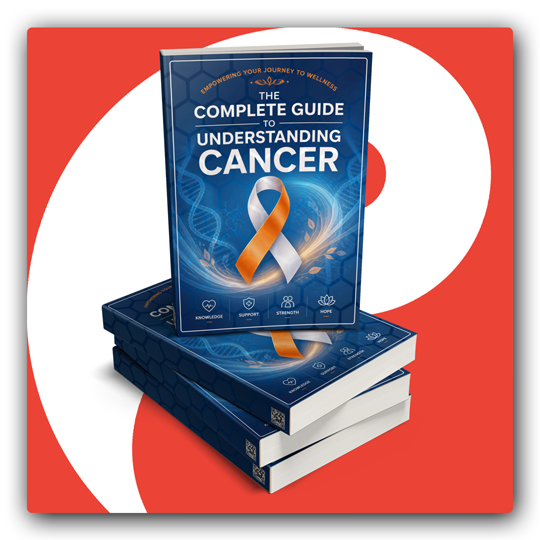
🎗️ The Complete Guide to Understanding Cancer PLR eBook is a clear, beginner-friendly educational resource covering cancer biology, types, risk factors, symptoms, screening, diagnosis, staging, treatment, clinical trials, supportive care, survivorship, and caregiver support. With 20 detailed chapters, practical worksheets, a 30-day organization plan, and Private Label Rights included, you can edit, rebrand, publish, sell, bundle, or responsibly repurpose the content for health, wellness, and patient-education audiences.
The Complete Guide to Understanding Cancer PLR Ebook – 50K Words
Original price was: $27.00.$9.99Current price is: $9.99.
50 in stock
Sale!
Full Description
🎗️ The Complete Guide to Understanding Cancer PLR eBook
Turn a Complex Health Topic Into Clear, Calm, Beginner-Friendly Education—and a Digital Product You Can Edit, Rebrand, Publish, and Sell
20 comprehensive chapters • Evidence-informed education • Beginner-friendly explanations • Practical support resources • 30-day organization plan • Private Label Rights included
Help Readers Understand Cancer Without Fear-Based Claims or Confusing Medical Jargon
Cancer is one of the most searched, discussed, and misunderstood health topics.
Readers may encounter:
✅ Frightening headlines
✅ Complicated medical terminology
✅ Conflicting screening advice
✅ Misleading cure claims
✅ Unproven supplement recommendations
✅ Confusion about stages, grades, and biomarkers
✅ Overwhelming lists of treatment options
✅ Social-media stories presented as universal evidence
✅ Claims that conventional care should be replaced
✅ Highly technical explanations written for medical professionals
People affected by cancer need clear education that helps them understand the language, questions, decisions, and support systems surrounding cancer care.
They do not need false reassurance, miracle-cure promises, or content that attempts to replace qualified healthcare professionals.
The Complete Guide to Understanding Cancer provides a responsible educational foundation.
This comprehensive PLR eBook introduces readers to cancer biology, types, risk factors, inherited risk, symptoms, screening, diagnosis, staging, treatment, supportive care, clinical trials, survivorship, advanced cancer, emotional wellbeing, caregiving, and trustworthy information.
As the PLR buyer, you can customize the manuscript, add your branding, publish it under your name or business, sell the completed eBook, use it as a lead magnet, include it in a membership, or repurpose it into a collection of health-education content according to the included license.
📚 Create a Valuable Cancer-Education Product Without Writing It From Scratch
Developing responsible cancer content requires more than summarizing symptoms and treatments.
A useful educational resource must explain:
✅ Cancer as a group of diseases
✅ How abnormal cells develop
✅ The difference between benign and malignant tumors
✅ How cancer may invade nearby tissue
✅ What metastasis means
✅ How cancers are named and classified
✅ The difference between stage and grade
✅ How biomarkers may influence treatment
✅ The role of risk factors and prevention
✅ Why screening is not the same as diagnosis
✅ What happens during imaging, biopsy, and pathology
✅ How treatment plans are created
✅ How surgery, radiation, and systemic treatments differ
✅ Why supportive care matters
✅ How side effects should be reported
✅ What clinical trials can and cannot offer
✅ How complementary approaches differ from alternative treatments
✅ What survivorship and follow-up care involve
✅ How palliative care may support quality of life
✅ How readers can recognize misleading health claims
With The Complete Guide to Understanding Cancer PLR eBook, this educational structure has already been developed for you.
Instead of starting with a blank document, you can focus on branding, design, professional review, audience adaptation, bonus resources, positioning, and promotion.
🎯 What Readers Will Learn
Inside this beginner-friendly guide, readers will discover how to:
✅ Understand what cancer is
✅ Recognize that cancer is not one single disease
✅ Learn how abnormal cells may grow and spread
✅ Understand tumors, invasion, and metastasis
✅ Distinguish inherited mutations from acquired changes
✅ Learn how cancers are classified
✅ Understand carcinomas, sarcomas, leukemias, lymphomas, myeloma, melanoma, and nervous-system tumors
✅ Explore common cancer risk factors
✅ Understand realistic prevention principles
✅ Recognize the role of family history
✅ Learn what genetic counseling may involve
✅ Distinguish germline testing from tumor testing
✅ Understand why symptoms are often nonspecific
✅ Recognize when persistent or concerning changes deserve medical attention
✅ Understand screening benefits and limitations
✅ Distinguish screening from diagnostic testing
✅ Learn what happens during a cancer investigation
✅ Understand imaging, biopsy, pathology, and laboratory testing
✅ Learn the difference between stage, grade, biomarkers, and prognosis
✅ Understand how multidisciplinary care teams work
✅ Prepare useful questions for medical appointments
✅ Understand the purposes of cancer surgery
✅ Learn how radiation therapy is planned and delivered
✅ Compare chemotherapy, targeted therapy, immunotherapy, and hormone therapy
✅ Understand the purpose of clinical trials
✅ Recognize the importance of informed consent
✅ Learn why treatment side effects should be reported promptly
✅ Understand supportive and symptom-management care
✅ Approach nutrition and physical activity responsibly
✅ Recognize supplement and treatment-interaction risks
✅ Understand emotional and caregiver support
✅ Learn what survivorship and follow-up care may involve
✅ Understand palliative care and goals-of-care discussions
✅ Evaluate cancer information more carefully
✅ Recognize misleading cure and prevention claims
🧬 Cancer Is a Group of Diseases—Not One Condition
The word “cancer” describes many diseases that may differ in:
✅ Where they begin
✅ Which cells are involved
✅ How quickly they grow
✅ Whether they spread
✅ Which biomarkers they contain
✅ How they respond to treatment
✅ Which symptoms they cause
✅ How they affect an individual patient
A treatment that is appropriate for one cancer may be ineffective or unsuitable for another.
Even two people with cancer in the same organ may receive different treatment plans because of differences in stage, subtype, biomarkers, health, age, previous treatment, personal priorities, and many other factors.
The eBook helps readers understand why cancer care must be individualized and why online stories should never be treated as personalized medical instructions.
🛡️ Responsible Education Without Personalized Medical Advice
This PLR eBook is carefully positioned as an educational resource.
It does not attempt to:
❌ Diagnose cancer
❌ Interpret an individual pathology report
❌ Recommend a personal treatment plan
❌ Tell a reader whether to accept or reject treatment
❌ Replace screening or medical appointments
❌ Promise that cancer can always be prevented
❌ Claim that a food, supplement, diet, detox, or therapy cures cancer
❌ Present complementary approaches as replacements for oncology care
❌ Guarantee survival, remission, recovery, or treatment response
Instead, the guide helps readers understand terminology, prepare questions, organize information, recognize safety concerns, and communicate more effectively with qualified healthcare professionals.
🏷️ Private Label Rights Included
This is a complete PLR eBook, allowing you to transform professionally structured cancer-education content into a customized digital product.
Subject to the included license, you can:
✅ Edit or rewrite the manuscript
✅ Add your name or pen name
✅ Add your company or publishing brand
✅ Insert your logo and contact information
✅ Change the title and subtitle
✅ Design a completely new cover
✅ Apply your preferred colors, fonts, and layout
✅ Rearrange, remove, shorten, or expand chapters
✅ Add professionally reviewed local resources
✅ Include regional support organizations
✅ Add appointment worksheets
✅ Create branded educational checklists
✅ Add links to your products or services
✅ Publish and sell the customized eBook
✅ Use it as a premium lead magnet
✅ Add it to a membership website
✅ Include it as a course or workshop resource
✅ Turn chapters into educational articles
✅ Create email lessons and newsletters
✅ Produce presentations or training materials
✅ Develop worksheets and question prompts
✅ Build responsible social-media education
✅ Bundle it with related health-awareness products
The customized finished product may be sold according to the terms of the included license.
The underlying Private Label Rights may not automatically be transferred, resold, or passed to customers unless a separate reseller or transferable-rights license expressly permits that use.
📖 Inside the 20-Chapter Guide
Chapter 1: Cancer Basics—What Cancer Is and What It Is Not
Introduces abnormal cell growth, tumors, invasion, metastasis, and why cancer represents many different diseases.
Chapter 2: Inside the Cell—Genes, Mutations, and Cancer Biology
Explains DNA changes, oncogenes, tumor-suppressor genes, inherited mutations, acquired changes, and biological differences between cancers.
Chapter 3: Cancer Types and How They Are Classified
Introduces major cancer categories and explains how cancers may be named by their tissue, organ, cell type, and biological characteristics.
Chapter 4: Cancer Risk Factors and Prevention
Covers tobacco, alcohol, infections, ultraviolet exposure, occupational hazards, activity, weight, family history, aging, and realistic prevention.
Chapter 5: Family History, Inherited Risk, and Genetic Counseling
Explains hereditary cancer patterns, genetic counseling, family-risk assessment, germline testing, tumor testing, and the limits of genetic results.
Chapter 6: Symptoms, Warning Signs, and Medical Evaluation
Shows why symptoms can have many causes and why persistent, unusual, or concerning changes should be evaluated by a qualified professional.
Chapter 7: Screening and Early Detection
Explains the purpose of screening, possible benefits and harms, false positives, false negatives, overdiagnosis, and individualized risk discussions.
Chapter 8: How Cancer Is Diagnosed
Introduces medical history, physical examination, blood tests, imaging, endoscopy, biopsy, pathology, molecular testing, and multidisciplinary review.
Chapter 9: Staging, Grading, Biomarkers, and Prognosis
Clarifies the differences between disease extent, cellular appearance, biological markers, expected outcomes, and treatment-planning information.
Chapter 10: Building a Cancer Treatment Plan
Explains treatment goals, multidisciplinary teams, second opinions, shared decision-making, sequencing, monitoring, and questions to ask.
Chapter 11: Cancer Surgery
Covers surgical goals, margins, lymph nodes, preparation, hospital care, recovery, rehabilitation, risks, and follow-up.
Chapter 12: Radiation Therapy
Introduces treatment planning, simulation, external and internal radiation, treatment schedules, side effects, safety, and symptom-relief uses.
Chapter 13: Systemic Cancer Treatments
Compares chemotherapy, targeted therapy, immunotherapy, hormone therapy, and other medicines used to treat or control cancer.
Chapter 14: Clinical Trials and Cancer Research
Explains trial phases, eligibility, consent, risks, potential benefits, standard-treatment comparisons, costs, and evaluating trial information.
Chapter 15: Managing Side Effects and Supportive Care
Covers fatigue, nausea, infection risk, pain, neuropathy, mouth problems, skin changes, emotional distress, and the importance of early reporting.
Chapter 16: Nutrition, Activity, Sleep, and Complementary Approaches
Provides a responsible framework for lifestyle support while warning against restrictive diets, supplement interactions, and unproven alternatives.
Chapter 17: Emotional Health, Communication, and Caregiver Support
Explores fear, uncertainty, communication, mental-health care, family relationships, caregiver strain, and support resources.
Chapter 18: Living With Cancer and Survivorship
Introduces follow-up care, recurrence monitoring, rehabilitation, late effects, work, relationships, health promotion, and adjustment after treatment.
Chapter 19: Advanced Cancer, Palliative Care, and Goals of Care
Explains advanced disease, symptom management, palliative care, hospice concepts, treatment goals, values, and planning conversations.
Chapter 20: Cancer Information, Costs, Second Opinions, and Future Care
Helps readers evaluate sources, organize medical records, understand costs, seek expert opinions, and approach emerging treatments without hype.
📋 Supporting Resources Included
The eBook contains practical educational resources designed to help readers understand and organize cancer-related information.
These include:
✅ Detailed table of contents
✅ Comprehensive medical disclaimer
✅ Plain-language cancer glossary
✅ Practical educational scenarios
✅ Beginner tips throughout
✅ Important safety callouts
✅ Common misunderstandings
✅ Chapter summaries
✅ Action checklists
✅ Medical-appointment question prompts
✅ Symptom and concern preparation sheet
✅ Family-history organization worksheet
✅ Screening-discussion checklist
✅ Diagnostic-test question guide
✅ Pathology terminology reference
✅ Treatment-planning question list
✅ Medication and supplement record
✅ Side-effect communication worksheet
✅ Clinical-trial question checklist
✅ Caregiver support planner
✅ Medical-record organization guide
✅ Second-opinion preparation checklist
✅ Trustworthy-source evaluation guide
✅ Misinformation warning checklist
✅ Complete 30-day education and organization plan
✅ Frequently asked questions
🌟 Why This PLR eBook Is Different
Cancer content must balance clarity, compassion, accuracy, and appropriate limits.
The Complete Guide to Understanding Cancer avoids:
❌ Guaranteed treatment outcomes
❌ Miracle-cure language
❌ Fear-based marketing
❌ Fabricated testimonials
❌ Invented medical experts
❌ Unsupported statistics
❌ Claims that one diet treats every cancer
❌ Claims that supplements are automatically harmless
❌ Statements that discourage professional care
❌ Claims that conventional treatment is unnecessary
❌ Presenting screening recommendations as identical for everyone
❌ Treating experimental therapies as proven cures
Instead, the content:
✅ Explains complex concepts in accessible language
✅ Distinguishes education from medical advice
✅ Encourages communication with healthcare professionals
✅ Recognizes uncertainty
✅ Addresses side-effect reporting
✅ Includes emotional and caregiver needs
✅ Warns about misinformation
✅ Encourages verification of changing guidance
✅ Respects individual treatment decisions
✅ Avoids promising outcomes
👥 Who Is the Reader Version For?
The customized reader edition may appeal to:
✅ Adults learning cancer terminology
✅ Patients seeking a general educational companion
✅ Family members
✅ Caregivers
✅ Cancer-awareness audiences
✅ Health-literacy readers
✅ People preparing for medical appointments
✅ Readers interested in prevention and screening
✅ Survivorship audiences
✅ People supporting someone with cancer
✅ General health and wellness audiences
✅ Students learning basic cancer concepts
The eBook should always be positioned as supplementary education rather than a replacement for personalized medical care.
💻 Who Is This PLR Product For?
This PLR eBook is ideal for:
✅ PLR store owners
✅ Digital-product sellers
✅ Health-content publishers
✅ Patient-education businesses
✅ Wellness educators
✅ Membership-site owners
✅ Course creators
✅ Health bloggers
✅ Newsletter publishers
✅ Cancer-awareness organizations
✅ Caregiver-resource publishers
✅ General health websites
✅ Educational-content marketers
✅ Community resource providers
Publishers should avoid presenting themselves as medical professionals unless appropriately qualified and should arrange professional review before publication.
🔄 Turn One PLR eBook Into Multiple Educational Products
The content can be repurposed into:
✅ A branded cancer-education eBook
✅ A 20-part educational article series
✅ A cancer-terminology mini guide
✅ A screening-discussion worksheet
✅ An appointment-question workbook
✅ A family-history organization guide
✅ A cancer-treatment overview
✅ A caregiver support checklist
✅ A survivorship mini guide
✅ A side-effect communication workbook
✅ A clinical-trial question guide
✅ A cancer-misinformation awareness course
✅ A medical-record organizer
✅ A second-opinion preparation guide
✅ A 30-day cancer-information email series
✅ Educational presentation slides
✅ Workshop handouts
✅ Responsible social-media posts
✅ A membership resource library
✅ A health-awareness product bundle
One comprehensive PLR eBook can provide months of educational content for your website, digital store, mailing list, course, membership, or community program.
✨ Customize It Responsibly
You are not limited to publishing the eBook exactly as supplied.
You can improve the customized edition by:
✅ Creating a new title and subtitle
✅ Designing a professional cover
✅ Adding your logo and brand colors
✅ Including professionally reviewed diagrams
✅ Adding current authoritative resources
✅ Listing reputable cancer organizations
✅ Including regional healthcare contacts
✅ Adding patient-support directories
✅ Creating branded appointment worksheets
✅ Including caregiver resources
✅ Adding local financial-support information
✅ Updating screening and treatment information
✅ Obtaining review from qualified medical professionals
Health information changes over time.
Screening recommendations, approved treatments, medicine indications, clinical-trial availability, side-effect guidance, and local healthcare procedures should be reviewed before publication.
💰 Commercial Uses
Subject to the included PLR license, the customized product may be used to:
✅ Sell as a standalone educational eBook
✅ Grow a responsible health-information mailing list
✅ Support a cancer-awareness campaign
✅ Add value to a patient-resource membership
✅ Provide general educational material
✅ Include in a caregiver-resource bundle
✅ Support a health-literacy course
✅ Create educational workshop materials
✅ Develop a responsible email series
✅ Build a general health-resource library
Health-related commercial use should never rely on fear, guaranteed outcomes, or unsupported treatment claims.
❓ Frequently Asked Questions
Is this a PLR eBook?
Yes. The product includes Private Label Rights, allowing the licensed buyer to edit, customize, rebrand, publish, sell, and repurpose the finished content according to the included license.
Is the manuscript editable?
Yes. It is supplied in Microsoft Word DOCX format for straightforward editing and rebranding.
Does it contain all 20 chapters?
Yes. It covers cancer biology, types, risks, diagnosis, treatment, clinical trials, supportive care, emotional wellbeing, survivorship, advanced cancer, and information literacy.
Is it suitable for complete beginners?
Yes. Complex medical terms and concepts are explained in clear, accessible language.
Is this medical advice?
No. It is general educational content and must not replace professional medical evaluation, diagnosis, or treatment.
Can the title and cover be changed?
Yes. You may rename the eBook, create a new cover, and apply your branding according to the license.
Can I add my name or business as the author?
Yes, subject to the license. However, you should not claim medical qualifications you do not possess.
Can I sell the customized eBook?
Yes. You may sell the completed customized product subject to the terms of the included PLR license.
Can my customers receive PLR rights?
Not automatically. A separate reseller or transferable-rights license would be required.
Can chapters be reused separately?
Yes. Subject to the license, chapters may be adapted into articles, lessons, emails, worksheets, presentations, and responsible social content.
Can I claim the eBook prevents or cures cancer?
No. The product must not be marketed using diagnostic, prevention, treatment, or cure claims.
Should the eBook be medically reviewed?
Yes. Cancer-related content should be reviewed and updated by appropriately qualified healthcare professionals before publication.
Should screening information be updated?
Yes. Screening recommendations vary by country, age, personal history, family history, and risk level, and may change over time.
Does the eBook recommend alternative cancer treatments?
No. It warns readers about unproven treatments and explains that complementary approaches should be discussed with the medical team.
📝 Responsible Customization Workflow
Use this process to transform the manuscript into a finished cancer-education product:
✅ Review the included PLR license
✅ Define the intended audience
✅ Decide how the product will be distributed
✅ Choose a suitable title and subtitle
✅ Design a calm, professional cover
✅ Add your publisher or organization details
✅ Adapt the language for your audience
✅ Add current authoritative sources
✅ Include relevant regional support resources
✅ Review screening and treatment information
✅ Check medicine and clinical-trial references
✅ Strengthen the medical disclaimer
✅ Remove unsupported or promotional health claims
✅ Arrange review by qualified medical professionals
✅ Proofread and publish the customized product
📦 What You Receive
Your package includes:
✅ The complete The Complete Guide to Understanding Cancer PLR eBook
✅ 20 comprehensive chapters
✅ Beginner-friendly cancer education
✅ Cancer biology and classification information
✅ Risk-factor and prevention guidance
✅ Family-history and genetic-risk education
✅ Symptom and screening explanations
✅ Diagnostic and pathology information
✅ Stage, grade, biomarker, and prognosis education
✅ Treatment-planning guidance
✅ Surgery and radiation overviews
✅ Systemic-treatment education
✅ Clinical-trial information
✅ Supportive-care and side-effect guidance
✅ Nutrition and lifestyle education
✅ Emotional and caregiver support
✅ Survivorship information
✅ Palliative-care and goals-of-care education
✅ Cancer-information evaluation tools
✅ Complete 30-day organization plan
✅ Practical worksheets and checklists
✅ Frequently asked questions
✅ Plain-language glossary
✅ Editable DOCX format
✅ Private Label Rights documentation
🚀 Build a Responsible Cancer-Education Product Without Starting From a Blank Page
Writing a comprehensive beginner cancer guide could require extensive research, planning, medical review, writing, editing, organization, and resource creation.
With The Complete Guide to Understanding Cancer PLR eBook, you receive a substantial educational foundation that can be customized for your brand and audience.
Use it to create a responsible digital product, support a health-literacy program, strengthen a membership, educate caregivers, or build a collection of cancer-awareness resources.
Edit it.
Customize it.
Review it.
Update it.
Brand it.
Publish it.
Repurpose it responsibly.
🛒 Get The Complete Guide to Understanding Cancer PLR eBook Today
Start with a professionally structured, beginner-friendly cancer-education resource and transform it into a carefully reviewed digital product for patients, caregivers, families, health-literacy audiences, and general wellness readers.
GET INSTANT ACCESS TODAY
⚠️ Important Medical Disclaimer
This product is provided for general educational and informational purposes only.
It does not provide medical advice, diagnosis, screening recommendations, treatment recommendations, prognosis, emergency guidance, or individualized healthcare instructions.
Cancer is a complex group of diseases. Symptoms, risks, screening needs, diagnostic results, treatment choices, side effects, and outcomes vary considerably between individuals.
Readers should consult appropriately qualified healthcare professionals regarding symptoms, screening, diagnosis, treatment, medicines, supplements, side effects, nutrition, activity, fertility, mental health, palliative care, and all other personal medical decisions.
Readers should not begin, stop, delay, replace, or change cancer treatment based on this eBook or other general online information.
New, severe, rapidly worsening, or concerning symptoms should be reported promptly to an appropriate healthcare professional or emergency service.
Dietary supplements, herbs, complementary treatments, and over-the-counter products may interact with cancer medicines, surgery, radiation therapy, or medical conditions.
Screening recommendations, approved medicines, treatment standards, clinical-trial availability, and healthcare guidance vary by location and may change over time.
PLR buyers are responsible for arranging appropriate medical review, fact-checking, updating, customizing, and localizing the content before publication.
The product must not be marketed using claims that it diagnoses, prevents, treats, reverses, or cures cancer.
No health, screening, diagnostic, treatment, recovery, remission, survival, business, marketing, ranking, sales, revenue, profit, or income outcome is promised or guaranteed.
🎁 Exclusive Bonuses Included!
When you grab this PLR eBook, you’ll also receive a ready-to-use sales page, a cheat sheet, and a high-quality promotional image—everything you need to sell it quickly and effortlessly!
🔥 LIMITED TIME OFFER! 🔥
Grab this complete PLR eBook for only $9.99— exclusively for the first 50 buyers! Don’t miss your chance to own this 20-chapter guide and claim full PLR rights at this unbeatable price.
License Details:
 You Can:
- Sell the product and retain 100% of the profits.
- Edit, customize, rebrand, and modify the content to suit your business.
- Divide the content into smaller reports, guides, or digital products.
- Bundle the product with other PLR products or resources.
- Include the product in a paid monthly membership site.
- Repurpose the content into videos, audio content, PDFs, or other formats.
- Use excerpts from the content in blog posts, emails, lead magnets, or free downloads.
- Transfer PLR, Resale Rights, or Master Resell Rights to others, where permitted by the applicable license.
 You Cannot:
- Sell the product for less than the minimum advertised price of $9.99.
- Give the product away for free.
- Offer 100% affiliate commissions on the product.
- Include the product in an existing paid membership that was established before your purchase without paying the applicable additional licensing fee.
PLEASE PAY ATTENTION TO THE LICENSE TERMS MENTIONED ABOVE
If you want to use the content in a way that is not specifically stated within the License, please ask if you can before you do so.
Related products
-
Sale!

The Ultimate Guide to 360 Cameras PLR Ebook
Original price was: $27.00.$9.99Current price is: $9.99. -
Sale!

Clear Skin Blueprint – The Ultimate Guide to Understanding and Treating Acne PLR Ebook – 15k Words
Original price was: $27.00.$9.99Current price is: $9.99. -
Sale!

Calm Within the Storm – Understanding and Overcoming Anxiety PLR Ebook – 12K Words
Original price was: $27.00.$9.99Current price is: $9.99.
Reviews