
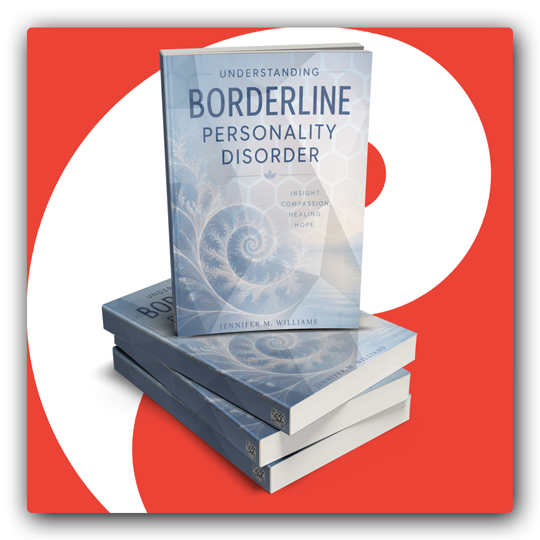
🧠 Understanding Borderline Personality Disorder PLR eBook is a compassionate, evidence-informed 50,199-word guide covering BPD symptoms, diagnosis, emotional regulation, relationships, treatment, safety planning, everyday coping, and long-term recovery. With 20 detailed chapters, practical worksheets, a 30-day action plan, and Private Label Rights included, you can edit, rebrand, publish, sell, or repurpose the content for your audience.
Understanding Borderline Personality Disorder Sales Page PLR Ebook – 50K Words
Original price was: $27.00.$9.99Current price is: $9.99.
50 in stock
Sale!
Full Description
🧠 Understanding Borderline Personality Disorder PLR eBook
A Compassionate, Evidence-Informed Mental Health Guide You Can Edit, Rebrand, Publish, and Sell
Approximately 50,199 words • 20 comprehensive chapters • Practical worksheets • 30-day action plan • Private Label Rights included
💙 Help Readers Understand BPD With Clarity, Compassion, and Realistic Hope
Borderline personality disorder is one of the most misunderstood and stigmatized mental health conditions.
People living with BPD may experience intense emotions, unstable self-image, fears of abandonment, impulsive urges, relationship difficulties, chronic emptiness, self-harm risk, or periods of severe emotional distress.
Their families, partners, friends, and colleagues may also struggle to understand what is happening or how to provide support without neglecting their own boundaries and well-being.
Unfortunately, much of the information available online is overly simplistic, sensationalized, judgmental, or presented without proper context.
Understanding Borderline Personality Disorder was created to offer a more responsible alternative.
This professionally structured PLR eBook provides a detailed, beginner-friendly introduction to BPD using respectful, person-first language. It explains symptoms, assessment, emotional regulation, relationships, treatment approaches, safety planning, daily coping, support strategies, and long-term recovery without encouraging self-diagnosis or making unrealistic promises.
As the PLR buyer, you receive approximately 50,199 words of editable educational content that can be customized, professionally reviewed, branded, published, sold, bundled, or repurposed according to the included license.
🌟 Create a Responsible Mental Health Product Without Starting From a Blank Page
Producing a detailed mental health guide requires careful research, sensitive writing, thoughtful organization, responsible safety language, editing, fact-checking, and professional review.
With Understanding Borderline Personality Disorder PLR eBook, much of that foundation has already been created for you.
You can adapt the content to your audience, add your branding, include local support resources, update clinical information, add professional commentary, design a new cover, and transform the material into a valuable educational product.
The eBook can support a mental wellness website, educational platform, professional membership, course, newsletter, resource library, digital store, or awareness campaign.
🎯 The Problem Your Audience Is Facing
Readers searching for information about BPD are often confronted with:
✅ Harmful stereotypes and stigmatizing language
✅ Social-media content that oversimplifies complex symptoms
✅ Confusion between BPD and other mental health conditions
✅ Advice that encourages self-diagnosis
✅ Unrealistic promises about treatment or recovery
✅ Information that ignores safety concerns
✅ Content that blames either the individual or their loved ones
✅ Conflicting explanations of symptoms and relationships
✅ Uncertainty about therapy, medication, and professional assessment
✅ Fear that a BPD diagnosis means there is no hope
Your audience needs an educational resource that treats BPD as a serious but treatable mental health condition rather than a personal failure or fixed character flaw.
This eBook helps replace confusion, shame, and misinformation with clear education, practical guidance, accountability, boundaries, and realistic hope.
📚 Introducing Understanding Borderline Personality Disorder
Understanding Borderline Personality Disorder is a comprehensive educational guide created for readers who want to understand BPD more responsibly.
The material explains both the challenges associated with the condition and the possibility of meaningful improvement through appropriate treatment, skill development, supportive relationships, and long-term commitment.
The guide does not present BPD as hopeless.
It also does not minimize the distress, relationship difficulties, impulsive behavior, safety concerns, or accountability that may be involved.
Instead, it offers a balanced approach that combines:
✅ Compassion without excusing harmful behavior
✅ Accountability without shame
✅ Hope without false promises
✅ Support without unhealthy rescuing
✅ Education without encouraging self-diagnosis
✅ Practical strategies without replacing professional care
🏷️ Private Label Rights Included
This is a complete PLR eBook, allowing you to customize the content and transform it into a branded educational product for your audience.
Depending on the terms of the included license, you can:
✅ Edit and rewrite the content
✅ Add your name, pen name, organization, or brand
✅ Add your business name and logo
✅ Change the title and subtitle
✅ Design a completely new cover
✅ Add your website and contact information
✅ Include your own professional introduction
✅ Add localized support and crisis resources
✅ Update terminology and treatment information
✅ Rearrange, shorten, remove, or expand sections
✅ Add original examples and educational commentary
✅ Publish and sell the customized eBook
✅ Use it as a lead magnet
✅ Add it to a membership website
✅ Include it as a course or workshop bonus
✅ Turn chapters into articles or email lessons
✅ Create educational social-media content
✅ Develop printable worksheets and checklists
✅ Build presentations or training materials
✅ Bundle it with related mental wellness resources
The customized finished product may be sold to your customers according to the included license.
The underlying Private Label Rights may not automatically be transferred, resold, or passed to customers unless a separate reseller license specifically permits that use.
💡 What Readers Will Gain
Inside this detailed guide, readers will discover:
✅ A clear explanation of what borderline personality disorder is
✅ Common myths and misunderstandings surrounding BPD
✅ A respectful overview of symptoms and lived experiences
✅ Why symptoms can appear differently from one person to another
✅ How professional assessment and diagnosis work
✅ Why self-diagnosis can be unreliable or harmful
✅ How BPD may overlap with or resemble other conditions
✅ How emotional dysregulation affects thoughts, behavior, and relationships
✅ How identity instability, shame, and chronic emptiness may develop
✅ How attachment and abandonment fears can affect close relationships
✅ How impulsivity and high-risk behavior may function as attempts to manage distress
✅ Responsible education about self-harm and suicidal thoughts
✅ How collaborative safety planning may support crisis preparation
✅ A beginner-friendly introduction to Dialectical Behavior Therapy
✅ An overview of other evidence-informed psychotherapies
✅ Balanced information about medication and its limitations
✅ The importance of treating co-occurring mental and physical health concerns
✅ Practical communication, boundary, and conflict-repair strategies
✅ Ways loved ones can offer support without losing themselves
✅ Guidance for work, study, parenting, routines, and everyday responsibilities
✅ Strategies for managing setbacks and supporting long-term recovery
📖 Inside the 20-Chapter Guide
Chapter 1: What Borderline Personality Disorder Is—and Is Not
Introduces BPD as a recognized mental health condition rather than a character flaw.
Readers learn what the diagnosis generally describes, how the condition may affect daily life, and why labels should never replace understanding the whole person.
The chapter also addresses common myths, stigma, misleading online descriptions, and the importance of professional assessment.
Chapter 2: Recognizing the Core Patterns and Lived Experience
Explores the major patterns commonly associated with BPD, including intense emotions, unstable relationships, fear of abandonment, identity disturbance, impulsivity, chronic emptiness, anger, and stress-related symptoms.
The chapter emphasizes that individuals may experience these patterns differently and that a symptom list cannot describe a complete person.
Chapter 3: Causes, Risk Factors, and the Biopsychosocial Picture
Examines how biological sensitivity, psychology, relationships, life experiences, environment, and social context may interact.
Readers learn why BPD usually cannot be explained by one single cause and why blame-based explanations are unhelpful.
Chapter 4: Professional Assessment and Diagnosis
Explains how qualified professionals gather information, assess patterns over time, consider severity and impairment, evaluate risk, and rule out alternative explanations.
The chapter also discusses the limitations of online quizzes and the importance of collaborative, respectful assessment.
Chapter 5: BPD and Other Conditions—Similarities and Differences
Explores how BPD may overlap with mood disorders, trauma-related conditions, anxiety, depression, attention difficulties, substance-use problems, eating disorders, and other personality patterns.
Readers learn why accurate assessment requires professional judgment rather than matching oneself to isolated symptoms.
Chapter 6: Understanding Emotional Dysregulation
Explains why some people experience emotions with greater intensity, sensitivity, and duration.
The chapter explores triggers, vulnerability factors, emotional escalation, urges, consequences, and practical ways to create space between feelings and actions.
Chapter 7: Identity, Self-Image, Shame, and Chronic Emptiness
Examines unstable self-image, rapidly changing goals, uncertainty about values, shame, self-criticism, and feelings of emptiness.
Readers are introduced to strategies for developing a more stable sense of identity through values, consistent actions, self-observation, and professional support.
Chapter 8: Attachment, Abandonment Fears, and Relationship Patterns
Explores how fear of rejection or abandonment may affect communication, trust, closeness, conflict, and interpretation of other people’s behavior.
The chapter discusses reassurance-seeking, withdrawal, idealization, devaluation, testing behavior, and healthier alternatives.
Chapter 9: Impulsivity, Urges, and High-Risk Behavior
Explains how impulsive actions may temporarily reduce distress while creating serious long-term consequences.
Readers learn about triggers, urge patterns, delay strategies, environmental safeguards, accountability, and the importance of professional help for dangerous behavior.
Chapter 10: Self-Harm, Suicidal Thoughts, and Collaborative Safety Planning
Provides responsible, non-graphic education about self-harm and suicide risk.
The chapter explains warning signs, the importance of taking threats and distress seriously, how collaborative safety plans may be developed, and when urgent or emergency support is necessary.
It does not present self-help as a substitute for crisis care.
Chapter 11: Dialectical Behavior Therapy and Skills-Based Treatment
Introduces Dialectical Behavior Therapy, commonly known as DBT, and explains its emphasis on balancing acceptance with change.
Readers receive an overview of mindfulness, distress tolerance, emotional regulation, interpersonal effectiveness, skills practice, individual therapy, coaching, and structured support.
Chapter 12: Other Evidence-Informed Psychotherapies
Explores other therapeutic approaches that may be used for BPD, including mentalization-based, schema-focused, transference-focused, and general psychiatric management approaches.
The chapter helps readers understand that treatment should be individualized.
Chapter 13: Medication, Co-Occurring Conditions, and Whole-Person Care
Provides balanced information about the role and limitations of medication.
Readers learn that medication may sometimes be used to address particular symptoms or co-occurring conditions, but it should be managed by a qualified medical professional.
The chapter also discusses sleep, physical health, substance use, nutrition, trauma, and coordinated care.
Chapter 14: Building a Person-Centered Treatment Plan
Shows how treatment goals can be built around the individual’s safety, priorities, values, strengths, challenges, responsibilities, and circumstances.
Readers learn about goal setting, tracking progress, preparing for appointments, asking questions, and reviewing what is or is not helping.
Chapter 15: Everyday Coping, Routines, and Reducing Vulnerability
Explores practical ways to reduce emotional vulnerability through sleep, regular meals, movement, medication adherence, reduced substance use, planned routines, supportive contact, and manageable commitments.
The chapter presents everyday stability as part of treatment rather than a complete cure.
Chapter 16: Communication, Boundaries, and Conflict Repair
Provides practical education about validation, assertiveness, listening, expressing needs, setting limits, pausing conflict, making repairs, and accepting responsibility.
Readers learn that boundaries should protect safety and relationships rather than punish or control another person.
Chapter 17: Supporting a Loved One Without Losing Yourself
Offers guidance for partners, family members, and friends who want to provide compassionate support.
The chapter explores validation, boundaries, crisis response, caregiver stress, resentment, enabling, self-care, family education, and the value of seeking independent support.
Chapter 18: Work, Study, Parenting, and Everyday Responsibilities
Examines how symptoms may affect concentration, attendance, conflict, time management, decision-making, parenting, and daily obligations.
Readers receive practical ideas for creating structure, requesting appropriate support, communicating responsibly, and planning for difficult periods.
Chapter 19: Recovery, Setbacks, and Long-Term Outlook
Presents recovery as a gradual and individual process.
The chapter explains that improvement may involve fewer crises, safer choices, more stable relationships, stronger identity, better emotional regulation, meaningful work, improved functioning, and greater self-respect.
It also explains how setbacks can be reviewed without treating them as proof of failure.
Chapter 20: Creating a Personal Recovery Roadmap
Helps readers bring the lessons together into a practical plan.
The chapter guides them through identifying values, treatment priorities, warning signs, coping strategies, support contacts, relationship goals, daily routines, safety needs, and long-term hopes.
🧩 Supporting Resources Included
The eBook contains practical resources that can help readers organize information and prepare for discussions with qualified professionals.
These include:
✅ Frequently asked questions
✅ A glossary of important mental health terms
✅ A practical 30-day action plan
✅ Trigger and response worksheet
✅ Treatment preparation worksheet
✅ Communication and boundary worksheet
✅ Setback review worksheet
✅ Values and identity worksheet
✅ Three-level coping menu
✅ Personal support map
✅ Warning-sign planning page
✅ Appointment preparation prompts
✅ Recovery roadmap template
✅ Selected authoritative resources for further education
🌈 Why This Mental Health eBook Is Different
Many resources about BPD fall into one of two harmful extremes.
Some portray people with BPD as manipulative, dangerous, impossible to help, or incapable of healthy relationships.
Others minimize a serious condition by presenting it as a collection of relatable personality traits or social-media trends.
This guide avoids both extremes.
It uses respectful, person-first language while addressing the seriousness of emotional distress, impulsive behavior, self-harm risk, relationship conflict, accountability, boundaries, and the need for professional treatment.
The content:
✅ Avoids stigmatizing labels
✅ Separates the person from the diagnosis
✅ Distinguishes education from professional diagnosis
✅ Does not encourage readers to diagnose other people
✅ Addresses safety risks without graphic detail
✅ Promotes professional assessment and treatment
✅ Recognizes that loved ones also need boundaries and support
✅ Presents recovery with realistic hope
✅ Avoids promising guaranteed outcomes
✅ Encourages localization and professional review before publication
👥 Who Is the Reader Version For?
The customized reader edition may be suitable for:
✅ People recently diagnosed with BPD
✅ People preparing to discuss possible symptoms with a professional
✅ Family members, partners, and friends seeking responsible education
✅ Students learning about mental health
✅ General readers interested in emotional regulation and relationships
✅ People exploring treatment options
✅ Individuals developing a recovery plan with qualified professionals
✅ Loved ones learning how to balance support with boundaries
✅ Readers seeking non-stigmatizing mental health information
✅ People who want to prepare more effectively for therapy appointments
This resource should not be marketed as a diagnostic tool, therapy manual, or substitute for qualified care.
💻 Who Is This PLR Product For?
This PLR eBook may be useful for:
✅ PLR stores and digital-product sellers
✅ Mental wellness content creators
✅ Health education publishers
✅ Bloggers and newsletter publishers
✅ Membership-site owners
✅ Course and workshop creators
✅ Coaches operating within an appropriate professional scope
✅ Organizations seeking editable psychoeducational content
✅ Awareness campaigns
✅ Professional-development platforms
✅ Support-resource libraries
✅ Lead-generation marketers in the mental wellness niche
Health professionals, organizations, coaches, publishers, and other buyers should ensure that all uses remain within their qualifications, legal responsibilities, professional scope, and applicable local standards.
🔄 Turn One PLR eBook Into Multiple Educational Resources
Subject to the included license and appropriate professional review, the content may be adapted into:
✅ A 20-part educational article series
✅ A month-long mental health email course
✅ A family-support mini-course
✅ A treatment-preparation workbook
✅ A coping-skills resource bundle
✅ An educational webinar outline
✅ A series of myth-busting videos
✅ Non-stigmatizing social-media posts
✅ A membership resource library
✅ A communication and boundaries workbook
✅ A recovery-planning guide
✅ A set of professionally reviewed client handouts
✅ A workshop presentation
✅ An appointment-preparation checklist
✅ A caregiver education series
✅ A mental wellness product bundle
One comprehensive PLR eBook can become months of educational content for a website, mailing list, course, membership, resource center, or digital store.
✨ Customize It for Your Audience
You are not limited to publishing the eBook exactly as supplied.
You can strengthen your customized product by:
✅ Adding country-specific crisis and emergency resources
✅ Updating diagnostic terminology
✅ Including current treatment information
✅ Adding a professional foreword
✅ Including culturally relevant examples
✅ Adding accessibility information
✅ Creating branded worksheets
✅ Including local healthcare and support pathways
✅ Adding links to reviewed resources
✅ Creating a new title and cover
✅ Adjusting the reading level for your audience
✅ Expanding selected chapters
✅ Removing material outside your professional scope
✅ Having the completed product reviewed by qualified professionals
Mental health information, terminology, laws, services, and professional standards may change or vary between countries.
The buyer is responsible for reviewing, updating, localizing, and approving the content before publication.
❓ Frequently Asked Questions
Is this a PLR eBook?
Yes. This product includes Private Label Rights, allowing the licensed buyer to edit, customize, brand, publish, sell, and repurpose the finished content according to the included license.
Can I edit and sell the eBook?
Yes. You may customize and sell the completed product subject to the terms of the included PLR license and any applicable laws, platform policies, and professional standards.
Can I change the title and cover?
Yes. You may rename the eBook, create a new subtitle, design a new cover, and add your own branding.
Can I add my author name or business name?
Yes. You may add your name, pen name, organization, logo, website, and contact information according to the license.
Is this a therapy manual?
No. It is a general educational resource and does not replace assessment, diagnosis, psychotherapy, medication management, crisis care, or professional training.
Does the eBook diagnose BPD?
No. The content explains common features and professional assessment but does not diagnose the reader or any other person.
Does it include all twenty chapters?
Yes. The guide follows a complete beginner journey from understanding symptoms and assessment to treatment, relationships, safety, daily life, and recovery planning.
Does it discuss self-harm and suicide?
Yes. It provides responsible, non-graphic education about risk, support, professional care, emergency help, and collaborative safety planning.
It should not be marketed as a substitute for crisis intervention.
Can I use chapters as articles or lessons?
Yes. Subject to the license, chapters may be adapted into educational articles, emails, videos, presentations, lessons, worksheets, and social-media content.
Can my customers resell the PLR rights?
Not unless a separate reseller license expressly allows you to transfer or resell the underlying rights.
Should I have the content professionally reviewed?
Yes.
Mental health terminology, diagnostic standards, treatment information, crisis resources, laws, services, and professional requirements may change or vary by location.
Appropriate clinical, legal, editorial, and cultural review is strongly recommended before publication.
Can coaches use the eBook?
Coaches may use appropriately reviewed educational content only within the limits of their qualifications, professional scope, local laws, insurance requirements, and ethical responsibilities.
The product must not be used to diagnose, treat, or provide crisis care unless the provider is properly qualified and legally authorized to do so.
📦 What You Receive
Your package includes:
✅ The complete Understanding Borderline Personality Disorder PLR eBook
✅ Approximately 50,199 words of editable content
✅ 20 comprehensive chapters
✅ Compassionate, beginner-friendly explanations
✅ Treatment and professional-assessment education
✅ Emotional regulation and relationship guidance
✅ Responsible safety-planning information
✅ Frequently asked questions
✅ A practical mental health glossary
✅ A 30-day action plan
✅ Editable worksheets
✅ Recovery-planning resources
✅ Private Label Rights documentation
🚀 Build a Valuable Mental Health Education Product Without Writing It From Scratch
Creating a substantial 50,000-word guide on a sensitive mental health topic can require weeks or months of research, writing, organizing, editing, reviewing, and updating.
With Understanding Borderline Personality Disorder PLR eBook, you receive a detailed foundation that can be customized for your audience and professional context.
Use it to develop a responsibly marketed digital product, support an educational course, expand a membership library, build an awareness campaign, provide professionally reviewed resources, or create a collection of compassionate mental health content.
Edit it.
Review it.
Localize it.
Brand it.
Publish it.
Sell it.
Repurpose it into an entire mental health education library.
🛒 Get Understanding Borderline Personality Disorder PLR eBook Today
Start with approximately 50,199 words of organized, compassionate, and practical educational content.
Customize it for your audience, add your brand, obtain appropriate professional review, and transform it into a responsible mental health resource.
GET INSTANT ACCESS TODAY
⚠️ Important Disclaimer
This product is provided for general educational and informational purposes only.
It does not provide medical advice, mental health diagnosis, psychotherapy, medication management, crisis intervention, legal advice, or a substitute for treatment from appropriately qualified professionals.
The content must not be used to diagnose the reader or another person.
No treatment response, recovery timeline, safety outcome, or other result is promised or guaranteed.
Anyone experiencing suicidal thoughts, self-harm urges, immediate danger, severe emotional distress, abuse, or a mental health emergency should contact local emergency services, an appropriate crisis service, or a qualified healthcare professional immediately.
PLR buyers are responsible for reviewing, fact-checking, updating, localizing, and publishing the content in accordance with applicable laws, professional standards, ethical requirements, platform rules, audience needs, and the included license.
Crisis information, healthcare pathways, laws, terminology, diagnostic standards, and treatment guidance may change and vary by country or region. Appropriate clinical, legal, editorial, and cultural review should be completed before publication.
🎁 Exclusive Bonuses Included!
When you grab this PLR eBook, you’ll also receive a ready-to-use sales page, a cheat sheet, and a high-quality promotional image—everything you need to sell it quickly and effortlessly!
🔥 LIMITED TIME OFFER! 🔥
Grab this complete PLR eBook for only $9.99— exclusively for the first 50 buyers! Don’t miss your chance to own this 20-chapter guide and claim full PLR rights at this unbeatable price.
License Details:
 You Can:
- Sell the product and retain 100% of the profits.
- Edit, customize, rebrand, and modify the content to suit your business.
- Divide the content into smaller reports, guides, or digital products.
- Bundle the product with other PLR products or resources.
- Include the product in a paid monthly membership site.
- Repurpose the content into videos, audio content, PDFs, or other formats.
- Use excerpts from the content in blog posts, emails, lead magnets, or free downloads.
- Transfer PLR, Resale Rights, or Master Resell Rights to others, where permitted by the applicable license.
 You Cannot:
- Sell the product for less than the minimum advertised price of $9.99.
- Give the product away for free.
- Offer 100% affiliate commissions on the product.
- Include the product in an existing paid membership that was established before your purchase without paying the applicable additional licensing fee.
PLEASE PAY ATTENTION TO THE LICENSE TERMS MENTIONED ABOVE
If you want to use the content in a way that is not specifically stated within the License, please ask if you can before you do so.
Related products
-
Sale!

The Complete Guide to Alternative Medicine – Healing Beyond Conventional Practices PLR Ebook – 10K Words
Original price was: $17.00.$9.99Current price is: $9.99. -
Sale!

The Ultimate Guide to Aquarium Supplies PLR Ebook – 11K Words
Original price was: $27.00.$9.99Current price is: $9.99. -
Sale!

The Ultimate Guide to Air Purifiers Breathe Cleaner PLR Ebook – 12K Words
Original price was: $17.00.$9.99Current price is: $9.99.
Reviews