
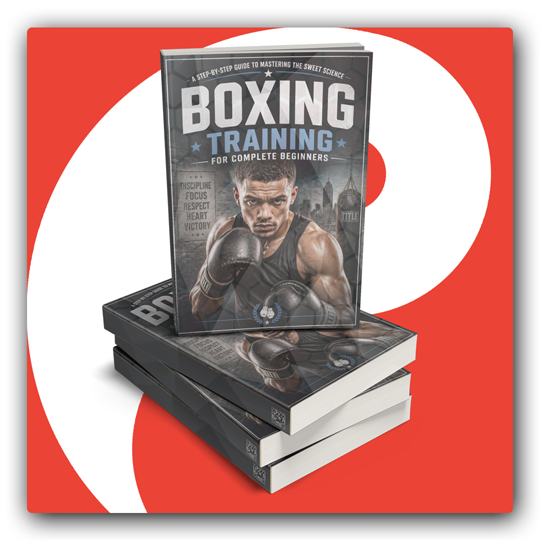
🥊 Boxing Training for Complete Beginners PLR eBook is a practical, safety-focused guide covering boxing fundamentals, equipment, stance, footwork, punches, defense, conditioning, nutrition, recovery, sparring awareness, and long-term progress. With 20 detailed chapters, a 30-day action plan, a 12-week training program, worksheets, checklists, and Private Label Rights included, you can edit, rebrand, publish, sell, or repurpose the content for your audience.
Boxing Training for Complete Beginners PLR Ebook – 57K Words
Original price was: $27.00.$9.99Current price is: $9.99.
50 in stock
Sale!
Full Description
🥊 Boxing Training for Complete Beginners PLR eBook
Turn Beginner Interest in Boxing Into a Structured Digital Product You Can Edit, Rebrand, Publish, and Sell
20 comprehensive chapters • Beginner-friendly instruction • Safety-first guidance • 30-day action plan • 12-week training program • Worksheets and checklists • Private Label Rights included
🚀 Give Your Audience a Clear and Responsible Introduction to Boxing
Boxing is one of the most exciting and rewarding forms of physical training.
It can help people improve coordination, fitness, discipline, confidence, balance, focus, and body awareness.
However, boxing can also be confusing for complete beginners.
New trainees may know the names of a few punches but have no clear understanding of how stance, guard, footwork, breathing, defense, conditioning, recovery, and coaching fit together.
They may copy fast combinations from online videos without first learning proper balance or wrist alignment.
They may train too hard, buy unsuitable equipment, rush into sparring, ignore pain, or follow unrealistic fitness and weight-loss advice.
Boxing Training for Complete Beginners was created to provide a safer and more structured alternative.
This professionally written PLR eBook guides readers from their first boxing class through essential technique, equipment, conditioning, defensive skills, nutrition, recovery, partner drills, sparring decisions, and long-term progress.
As the PLR buyer, you can edit the content, add your branding, publish it under your name or business, sell the finished eBook, use it as a lead magnet, include it in a membership, or repurpose it into multiple boxing and fitness products according to the included license.
🌟 Build a Valuable Boxing Product Without Writing It From Scratch
Creating a detailed beginner boxing guide requires substantial planning, research, writing, editing, organization, and safety review.
You need to explain technique clearly without pretending that written instructions can replace qualified coaching.
You also need to address physical readiness, injury prevention, contact risk, concussion awareness, recovery, nutrition, equipment, and realistic expectations.
With Boxing Training for Complete Beginners PLR eBook, the foundation has already been prepared for you.
You receive a substantial educational resource that can be customized for:
✅ Boxing gyms
✅ Fitness websites
✅ Digital-product stores
✅ Coaching programs
✅ Membership platforms
✅ Sports blogs
✅ Email lists
✅ Online courses
✅ Beginner training programs
✅ Lead-generation campaigns
💡 Why Beginners Need This Guide
Boxing often looks simple from the outside.
A beginner may assume that training is mainly about learning punches and becoming fitter.
In reality, effective boxing depends on many connected skills:
✅ Stable stance
✅ Balanced movement
✅ Correct punching mechanics
✅ Proper breathing
✅ Distance awareness
✅ Defensive responsibility
✅ Recovery between efforts
✅ Safe use of equipment
✅ Appropriate coaching
✅ Gradual conditioning
✅ Honest understanding of contact risk
Without a structured learning path, beginners may develop poor habits that become difficult to correct later.
Common problems include:
✅ Dropping the hands after punching
✅ Crossing the feet while moving
✅ Punching with poor wrist alignment
✅ Leaning too far forward
✅ Holding the breath
✅ Throwing every punch with maximum power
✅ Training through sharp pain
✅ Using heavy bags without proper preparation
✅ Confusing exhaustion with productive training
✅ Sparring before developing basic control
✅ Using unsafe dehydration or weight-cutting methods
✅ Expecting immediate fitness or competitive results
This eBook helps readers slow down, understand the foundations, and build their skills in a more responsible order.
🎯 What Readers Will Learn
Inside this beginner-friendly boxing guide, readers will discover:
✅ What boxing training includes and what it cannot promise
✅ How to choose realistic personal goals
✅ How to evaluate a boxing gym and coach
✅ What equipment beginners genuinely need
✅ How to wrap and protect the hands responsibly
✅ How stance and guard support every boxing movement
✅ How to maintain balance while punching and defending
✅ How to breathe during drills and combinations
✅ How to move forward, backward, and sideways correctly
✅ How to manage distance without crossing the feet
✅ How punches use the entire body rather than the arms alone
✅ How to develop the jab, cross, hooks, and uppercuts
✅ How to build simple, purposeful combinations
✅ How to catch, parry, block, slip, roll, and exit safely
✅ How to use shadowboxing as a complete training tool
✅ How to approach bag work, mitts, and partner drills
✅ How to build boxing-specific endurance and work capacity
✅ How strength and mobility support long-term training
✅ How sleep, nutrition, hydration, and recovery affect performance
✅ Why unsafe weight cutting should be avoided
✅ How to recognize warning signs that require medical attention
✅ How to approach sparring and competition responsibly
✅ How to follow a practical 30-day beginning plan
✅ How to use a structured 12-week training program
🛡️ A Safety-First Approach to Boxing Education
This is not an aggressive “fight like a professional overnight” product.
It does not encourage reckless sparring, uncontrolled partner drills, dangerous weight cutting, or training through injury.
The content treats boxing as a skilled sport and physical discipline that should be learned gradually.
Safety guidance is integrated throughout the guide rather than hidden in a disclaimer at the end.
Readers are encouraged to:
✅ Seek appropriate medical guidance before beginning strenuous exercise
✅ Work with a qualified boxing coach
✅ Learn technique before chasing speed or power
✅ Use suitable protective equipment
✅ Increase training volume gradually
✅ Stop when experiencing concerning symptoms
✅ Take head impacts and concussion symptoms seriously
✅ Avoid unsupervised contact training
✅ Respect training partners
✅ Treat non-contact boxing as a valid long-term option
✅ Understand that no equipment can remove all boxing risks
🏷️ Private Label Rights Included
This is a complete PLR eBook, giving you the opportunity to transform professionally written content into a customized boxing or fitness product.
Subject to the included license, you can:
✅ Edit and rewrite the content
✅ Add your name or pen name as the author
✅ Add your business, gym, or brand name
✅ Insert your logo and contact information
✅ Change the title and subtitle
✅ Design a completely new cover
✅ Update the visual style and formatting
✅ Rearrange, remove, or expand sections
✅ Add your own coaching advice
✅ Include original photographs or illustrations
✅ Add local gym information
✅ Include links to your classes or services
✅ Add recommended equipment and affiliate links
✅ Publish and sell the customized eBook
✅ Use it as a lead magnet
✅ Add it to a paid membership
✅ Include it as a course or coaching bonus
✅ Turn chapters into articles or newsletters
✅ Create social-media content
✅ Develop worksheets and checklists
✅ Build presentations or workshop materials
✅ Bundle it with related fitness products
The customized finished eBook may be sold to your customers according to the included license.
The underlying PLR rights may not automatically be transferred, resold, or passed to your customers unless a separate reseller license expressly permits that use.
📖 Inside the 20-Chapter Guide
Chapter 1: Starting Boxing With the Right Expectations
Introduces readers to the different reasons people begin boxing, including fitness, recreation, confidence, technical development, stress management, and possible amateur competition.
The chapter explains what boxing training can offer while avoiding guaranteed claims about fitness, confidence, weight loss, or performance.
Readers are encouraged to define realistic goals and understand that progress depends on health, coaching, consistency, recovery, and individual circumstances.
Chapter 2: Choosing a Gym, Coach, and Training Environment
Explains how to evaluate a boxing gym before joining.
Readers learn to consider:
✅ Coaching qualifications and communication
✅ Beginner support
✅ Safety culture
✅ Cleanliness and equipment condition
✅ Class structure
✅ Partner matching
✅ Sparring expectations
✅ Respectful behavior
✅ Membership costs
✅ Compatibility with personal goals
The chapter also identifies warning signs such as uncontrolled sparring, pressure to ignore injuries, poor supervision, humiliating coaching, or a culture that rewards reckless behavior.
Chapter 3: Medical Readiness, Injury Prevention, and Concussion Awareness
Covers the health foundations that should be considered before beginning strenuous boxing training.
Readers learn about:
✅ Medical readiness
✅ Gradual progression
✅ Warm-ups and cool-downs
✅ Training load
✅ Pain versus normal effort
✅ Common beginner injuries
✅ Head-impact awareness
✅ Concussion warning signs
✅ When to stop training
✅ When professional medical care may be necessary
The chapter makes it clear that written education cannot replace personalized medical advice.
Chapter 4: Boxing Equipment and Hand Protection
Introduces the essential equipment used in beginner boxing training.
The chapter covers:
✅ Boxing gloves
✅ Hand wraps
✅ Bag gloves
✅ Training shoes
✅ Mouthguards
✅ Headgear
✅ Skipping ropes
✅ Heavy bags
✅ Focus mitts
✅ Protective equipment
Readers learn how to choose, fit, use, clean, inspect, and replace equipment.
The guide also explains that protective equipment may reduce certain risks but cannot make contact boxing risk-free.
Chapter 5: Stance, Guard, Balance, and Breathing
Explains the body position that supports every punch, defensive movement, and step.
Readers learn how to:
✅ Find an appropriate stance
✅ Position the feet
✅ Distribute body weight
✅ Maintain a useful guard
✅ Protect the chin
✅ Keep the shoulders relaxed
✅ Avoid unnecessary tension
✅ Breathe during combinations
✅ Return to a stable position after every movement
The chapter focuses on balance and repeatability rather than copying an advanced boxer’s style too early.
Chapter 6: Footwork and Ring Movement
Shows readers how to move without losing stance or balance.
Topics include:
✅ Forward movement
✅ Backward movement
✅ Lateral steps
✅ Pivots
✅ Direction changes
✅ Managing distance
✅ Maintaining a stable base
✅ Avoiding crossed feet
✅ Moving before and after punching
✅ Exiting after combinations
The chapter emphasizes that effective footwork is controlled and purposeful rather than unnecessarily fast.
Chapter 7: Punching Mechanics and the Kinetic Chain
Explains how punches are produced through coordinated movement involving the floor, legs, hips, torso, shoulder, arm, and fist.
Readers learn why relying only on arm strength can reduce effectiveness and increase strain.
The chapter covers:
✅ Alignment
✅ Weight transfer
✅ Rotation
✅ Balance
✅ Relaxation
✅ Acceleration
✅ Impact control
✅ Guard recovery
✅ Safe repetition
✅ Common technical mistakes
Chapter 8: Mastering the Jab
Explores one of boxing’s most versatile punches.
Readers learn how the jab can be used to:
✅ Measure distance
✅ Interrupt rhythm
✅ Score
✅ Create openings
✅ Support defense
✅ Hide movement
✅ Prepare combinations
✅ Control the pace of a drill
The chapter explains mechanics, recovery, footwork coordination, common mistakes, and beginner practice methods.
Chapter 9: Building a Clean Cross
Covers the rear straight punch and how it connects with stance, hip rotation, rear-foot action, shoulder position, balance, and guard recovery.
Readers learn why the cross should not pull the body out of position or leave the boxer unable to defend.
The chapter includes simple drills and troubleshooting guidance.
Chapter 10: Hooks and Uppercuts for Beginners
Introduces shorter punches that require appropriate distance, compact movement, control, and careful progression.
Readers learn:
✅ Lead and rear hooks
✅ Body and head-level targets in supervised practice
✅ Short uppercut mechanics
✅ Appropriate elbow position
✅ Controlled rotation
✅ Range awareness
✅ Guard recovery
✅ Common overreaching errors
The chapter discourages exaggerated movements and uncontrolled power.
Chapter 11: Core Defensive Skills
Explains beginner defensive methods such as:
✅ Catching
✅ Parrying
✅ Blocking
✅ Framing
✅ Guard recovery
✅ Elbow positioning
✅ Distance management
✅ Defensive responsibility after punching
Readers learn why defense begins with position, awareness, and balance rather than dramatic reactions.
Chapter 12: Head Movement, Distance Defense, and Safe Exits
Introduces slipping, rolling, stepping back, pivoting, and exiting safely.
The chapter teaches small, controlled movements rather than deep or exaggerated motions that may create new openings.
Readers learn to connect defense with stable positioning and safe movement away from danger.
Chapter 13: Combinations, Rhythm, Feints, and Tactical Thinking
Shows readers how to connect individual techniques into simple combinations.
Topics include:
✅ Two-punch combinations
✅ Three-punch combinations
✅ Punching while moving
✅ Changing levels
✅ Rhythm variation
✅ Simple feints
✅ Creating openings
✅ Finishing in a defensive position
✅ Choosing combinations for a purpose
The chapter encourages beginners to prioritize clean execution over speed and complexity.
Chapter 14: Shadowboxing as a Complete Training Tool
Explains how shadowboxing can develop:
✅ Technique
✅ Balance
✅ Coordination
✅ Footwork
✅ Breathing
✅ Visualization
✅ Defensive habits
✅ Tactical awareness
✅ Controlled conditioning
Readers learn how to structure shadowboxing rounds rather than moving randomly.
The chapter includes focus themes, review questions, and common mistakes.
Chapter 15: Bag Work, Mitts, and Partner Drills
Explains how different boxing tools should be used.
Readers learn the purpose of:
✅ Heavy-bag training
✅ Double-end bag work
✅ Speed-bag practice
✅ Focus mitts
✅ Touch drills
✅ Distance drills
✅ Reaction exercises
✅ Controlled partner work
The chapter emphasizes that every round should have a clear technical goal.
It discourages treating the heavy bag as an object to hit with uncontrolled force.
Chapter 16: Boxing Conditioning
Introduces the fitness qualities that support boxing performance.
Readers learn about:
✅ Aerobic endurance
✅ Anaerobic work capacity
✅ Repeated efforts
✅ Recovery between rounds
✅ Skipping
✅ Running
✅ Circuit training
✅ Interval training
✅ Boxing-specific conditioning
✅ Managing training intensity
The chapter explains that conditioning should support technique rather than replace it.
Chapter 17: Strength, Mobility, Recovery, and Training Longevity
Explores how general physical preparation can support boxing.
Topics include:
✅ Basic strength training
✅ Core stability
✅ Lower-body strength
✅ Upper-body endurance
✅ Shoulder health
✅ Mobility
✅ Joint care
✅ Rest days
✅ Sleep
✅ Fatigue management
✅ Training consistency
Readers learn why more training is not always better and why recovery is part of progress.
Chapter 18: Nutrition, Hydration, and Responsible Weight Management
Provides beginner-friendly education about fueling physical training.
The chapter covers:
✅ Balanced meals
✅ Protein
✅ Carbohydrates
✅ Dietary fats
✅ Hydration
✅ Meal timing
✅ Recovery nutrition
✅ Supplements
✅ Weight-management expectations
✅ Unsafe dehydration
✅ Extreme dieting
Readers are encouraged to seek qualified professional advice for individualized nutrition, health conditions, or competitive weight-class decisions.
Chapter 19: Sparring, Competition, Rules, and Ethics
Explains the difference between technical drills, controlled sparring, open sparring, and competition.
Readers learn that sparring is not required for every boxing goal.
The chapter discusses:
✅ Sparring readiness
✅ Coach supervision
✅ Partner selection
✅ Intensity control
✅ Protective equipment
✅ Consent and communication
✅ Head-impact risk
✅ Competition rules
✅ Medical requirements
✅ Sportsmanship
✅ Anti-doping responsibilities
The guide makes it clear that no training method can remove all risks associated with contact boxing.
Chapter 20: Your 12-Week Beginner Boxing Plan
Provides a practical training structure that combines:
✅ Technical development
✅ Footwork
✅ Shadowboxing
✅ Bag work
✅ Conditioning
✅ Strength training
✅ Mobility
✅ Recovery
✅ Progress reviews
✅ Goal adjustments
The plan does not require sparring and can be adapted according to the reader’s fitness, access to coaching, health, and experience.
📋 Practical Supporting Resources Included
The eBook includes additional resources that help readers organize their training and apply what they learn.
These resources include:
✅ Frequently asked questions
✅ A glossary of important boxing terms
✅ A 30-day beginner action plan
✅ A complete 12-week training template
✅ Weekly training planner
✅ Session-planning worksheet
✅ Technique review worksheet
✅ Equipment checklist
✅ Gym evaluation checklist
✅ Recovery tracker
✅ Goal-setting worksheet
✅ Partner-drill safety checklist
✅ Training-load review page
✅ Beginner progress assessment
✅ Authoritative safety and anti-doping resource list
🌟 Why This PLR Boxing eBook Stands Out
Many beginner boxing products are little more than collections of workouts or punch combinations.
Boxing Training for Complete Beginners provides a more complete learning journey.
Each chapter explains:
✅ Why the skill matters
✅ How it fits into boxing as a whole
✅ Which mistakes beginners commonly make
✅ When the reader should slow down
✅ What requires professional coaching
✅ How safety affects the lesson
✅ How to practise without rushing
✅ How to turn the information into a practical action
The guide treats recreational and non-contact boxing as legitimate goals.
Readers are not pressured to spar or compete.
Those who are interested in contact receive responsible guidance about readiness, coaching, rules, medical requirements, and unavoidable risks.
👥 Who Is the Reader Version For?
The customized reader edition may appeal to:
✅ Adults considering their first boxing class
✅ Complete beginners joining a boxing gym
✅ Fitness enthusiasts seeking boxing-specific structure
✅ Recreational boxers
✅ Non-contact boxing participants
✅ Home trainees learning the limits of solo practice
✅ People interested in improving coordination and conditioning
✅ Beginners considering future amateur competition
✅ Personal-training clients
✅ Gym members who need a structured educational resource
✅ Readers who want realistic, safety-conscious boxing guidance
💻 Who Is This PLR Product For?
This PLR eBook is ideal for:
✅ PLR stores
✅ Digital-product sellers
✅ Boxing gyms
✅ Boxing coaches
✅ Fitness instructors
✅ Personal trainers
✅ Sports bloggers
✅ Fitness websites
✅ Membership-site owners
✅ Online course creators
✅ Newsletter publishers
✅ Lead-generation marketers
✅ Amateur boxing organizations
✅ Recreational boxing programs
✅ Sports education businesses
🔄 Turn One PLR eBook Into Multiple Products
This content can be repurposed into:
✅ A branded beginner boxing eBook
✅ A 20-part boxing blog series
✅ A 12-week email onboarding program
✅ A boxing fundamentals mini-course
✅ A gym welcome-pack guide
✅ A non-contact boxing lead magnet
✅ A beginner equipment guide
✅ Printable training checklists
✅ Technique review worksheets
✅ Coach workshop slides
✅ Short-form boxing videos
✅ Social posts about beginner mistakes
✅ Podcast or video lesson scripts
✅ A fitness membership challenge
✅ A beginner training journal
✅ A boxing safety resource bundle
✅ A course or coaching bonus
One substantial PLR eBook can provide months of content for your website, gym, email list, course, membership, social channels, or digital store.
✨ Customize It for Your Brand
You are not limited to publishing the eBook exactly as supplied.
You can make your edition more distinctive by:
✅ Creating a new title and subtitle
✅ Designing a fresh cover
✅ Adding your gym or company branding
✅ Including photographs of your facility
✅ Adding coach introductions
✅ Including local rules and governing-body information
✅ Linking to your classes or memberships
✅ Adding your preferred equipment recommendations
✅ Inserting affiliate links
✅ Including original training videos
✅ Creating branded worksheets
✅ Adding testimonials where legally and ethically appropriate
✅ Updating safety and medical resources
✅ Adapting the training plans to your audience
✅ Combining it with other fitness products
The more thoughtfully you customize the content, the more valuable and distinctive your finished product can become.
❓ Frequently Asked Questions
Is this a PLR eBook?
Yes. This product includes Private Label Rights, allowing the licensed buyer to edit, customize, brand, publish, sell, and repurpose the finished content according to the included license.
Can I edit the eBook?
Yes. You may rewrite, reorganize, expand, shorten, personalize, and rebrand the content.
Can I change the title and cover?
Yes. You can rename the eBook, change the subtitle, create a new cover, and adjust the design to suit your brand.
Can I add my name or business as the author?
Yes. You may add your name, pen name, boxing gym, fitness brand, logo, website, and contact details according to the license.
Can I sell the customized eBook?
Yes. You may sell the customized finished product subject to the terms of the included PLR license.
Can my customers resell the PLR rights?
Not unless a separate reseller license specifically permits you to transfer or resell the underlying rights.
Does the eBook teach unsafe fighting?
No. The material is framed as supervised sport, skill, and fitness education.
It includes clear guidance concerning medical readiness, equipment, controlled partner work, sparring, concussion awareness, and professional coaching.
Does the eBook encourage sparring?
No. The guide recognizes non-contact boxing as a valid training goal.
Readers interested in sparring are encouraged to approach it only with qualified supervision, appropriate preparation, suitable partners, and an understanding of the risks.
Does the product guarantee weight loss or fitness results?
No. Results depend on health, training quality, consistency, nutrition, recovery, coaching, and individual circumstances.
No particular physical, competitive, or financial outcome is guaranteed.
Can chapters be used separately?
Yes. Subject to the license, chapters may be adapted into articles, emails, social posts, lessons, presentations, worksheets, videos, or course modules.
Does the eBook replace a boxing coach?
No. Written content cannot observe technique, correct movement, manage partner drills, or make personalized training decisions.
Qualified coaching is strongly encouraged.
Does the eBook replace medical advice?
No. The product provides general education and should not replace assessment, diagnosis, treatment, or advice from qualified healthcare professionals.
Is the 12-week plan suitable for everyone?
No single training plan is appropriate for every reader.
The template should be adjusted according to the individual’s health, fitness, recovery, coaching access, schedule, and experience.
📦 What You Receive
Your package includes:
✅ The complete Boxing Training for Complete Beginners PLR eBook
✅ 20 detailed chapters
✅ Beginner-friendly boxing instruction
✅ Safety-first training guidance
✅ Equipment and gym-selection advice
✅ Punching and defensive fundamentals
✅ Conditioning and strength guidance
✅ Nutrition and recovery education
✅ Sparring and competition awareness
✅ Frequently asked questions
✅ Boxing terminology glossary
✅ 30-day beginner action plan
✅ 12-week training template
✅ Practical worksheets and checklists
✅ Private Label Rights documentation
🚀 Add a High-Value Beginner Boxing Product to Your Catalog
Instead of offering another disconnected list of punches and workouts, give your audience a complete beginner journey.
Boxing Training for Complete Beginners PLR eBook helps readers understand what to learn, why it matters, how to practise responsibly, and when qualified guidance is necessary.
Use it to launch a new digital product, attract potential gym members, support a coaching program, educate fitness clients, grow an email list, strengthen a membership, or build months of boxing-related content.
Edit it.
Brand it.
Publish it.
Sell it.
Repurpose it.
Turn one detailed beginner guide into an entire boxing education product line.
🛒 Get Boxing Training for Complete Beginners PLR eBook Today
Start with a professionally structured beginner boxing resource and transform it into a branded product for your audience.
GET INSTANT ACCESS TODAY
⚠️ Important Disclaimer
This product is provided for general educational and informational purposes only.
It does not provide medical advice, diagnosis, treatment, individualized exercise prescription, professional boxing coaching, legal guidance, nutrition therapy, or guaranteed results.
Boxing, vigorous exercise, strength training, partner drills, and contact sports involve risks of injury.
Contact boxing may cause serious injuries, including concussion, brain injury, eye injury, fractures, dental injury, and other short-term or long-term harm.
Protective equipment, supervision, and good technique may reduce certain risks but cannot eliminate them.
Readers should consult an appropriately qualified healthcare professional before beginning a new exercise program, particularly if they have an injury, medical condition, symptoms, pregnancy, a history of concussion, or concerns about physical readiness.
Sparring and contact drills should take place only with appropriate coaching, supervision, equipment, partner matching, consent, and compliance with relevant rules.
PLR buyers are responsible for reviewing, updating, customizing, localizing, and publishing the content in accordance with applicable laws, governing-body rules, medical guidance, professional standards, platform policies, audience needs, and the included license.
🎁 Exclusive Bonuses Included!
When you grab this PLR eBook, you’ll also receive a ready-to-use sales page, a cheat sheet, and a high-quality promotional image—everything you need to sell it quickly and effortlessly!
🔥 LIMITED TIME OFFER! 🔥
Grab this complete PLR eBook for only $9.99— exclusively for the first 50 buyers! Don’t miss your chance to own this 20-chapter guide and claim full PLR rights at this unbeatable price.
License Details:
 You Can:
- Sell the product and retain 100% of the profits.
- Edit, customize, rebrand, and modify the content to suit your business.
- Divide the content into smaller reports, guides, or digital products.
- Bundle the product with other PLR products or resources.
- Include the product in a paid monthly membership site.
- Repurpose the content into videos, audio content, PDFs, or other formats.
- Use excerpts from the content in blog posts, emails, lead magnets, or free downloads.
- Transfer PLR, Resale Rights, or Master Resell Rights to others, where permitted by the applicable license.
 You Cannot:
- Sell the product for less than the minimum advertised price of $9.99.
- Give the product away for free.
- Offer 100% affiliate commissions on the product.
- Include the product in an existing paid membership that was established before your purchase without paying the applicable additional licensing fee.
PLEASE PAY ATTENTION TO THE LICENSE TERMS MENTIONED ABOVE
If you want to use the content in a way that is not specifically stated within the License, please ask if you can before you do so.
Related products
-
Sale!

Breaking Free from Anxiety Disorders PLR Ebook – 12K Words
Original price was: $27.00.$9.99Current price is: $9.99. -
Sale!

Powering the Future The Complete Guide to Alternative Energy PLR Ebook – 17K Words
Original price was: $17.00.$9.99Current price is: $9.99. -
Sale!
Mastering the Art of Airbrushing PLR Ebook – 12K Words
Original price was: $17.00.$9.99Current price is: $9.99.
Reviews